
Wind & Water
Read water and wind information, distinguish the roles of different rigs, and plan with the actual venue and equipment.
A sail, hand-held wing, kite, tow and river current provide different movement systems. Similar-looking boards do not make their training, connection systems or recovery methods interchangeable. The explainers distinguish these systems and their basic forces.
Before choosing an objective, identify the actual conditions: forecast labels, local depth, flow, access and other users. Significant wave height is a statistic, and river class is a summary. Neither is a complete safety rating for an individual session.
Equipment selection is a compatibility question as well as a size question. Keep the current manuals for the complete setup, learn with an appropriate provider and choose a venue where the lesson task and a suitable return can be managed.
Put the guide to use
- Swell Component Lab Interactive · CSV export
Separate swell from wind waves, calculate combined significant height and export the component record.
Where to start
- Decode the surf forecast
Separate swell height and period from the waves breaking at a beach.
- Choose the whole wing-foil setup
Ask about board stability, foil connections and the lesson venue.
- Read a river gauge
Distinguish water level, discharge and the station-specific rating curve.
All guides in this collection
Newest publications first. A revision keeps the article's original publication date.
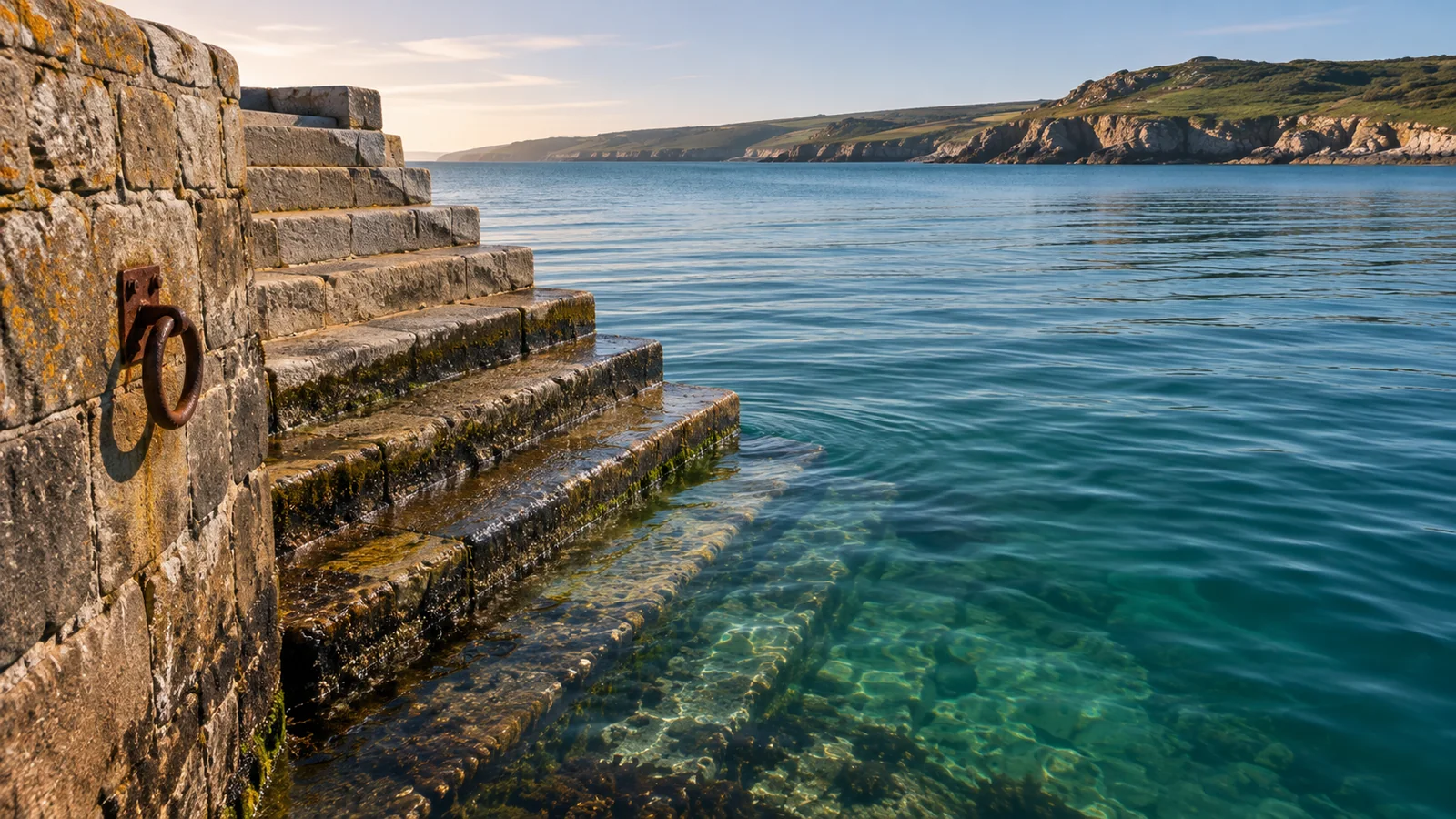
Tide Height vs Tidal Range vs Current: Read Each Value
Compare tide height, tidal range and current speed using datum and timing examples. Learn why high water cannot tell you when slack current occurs at a site.
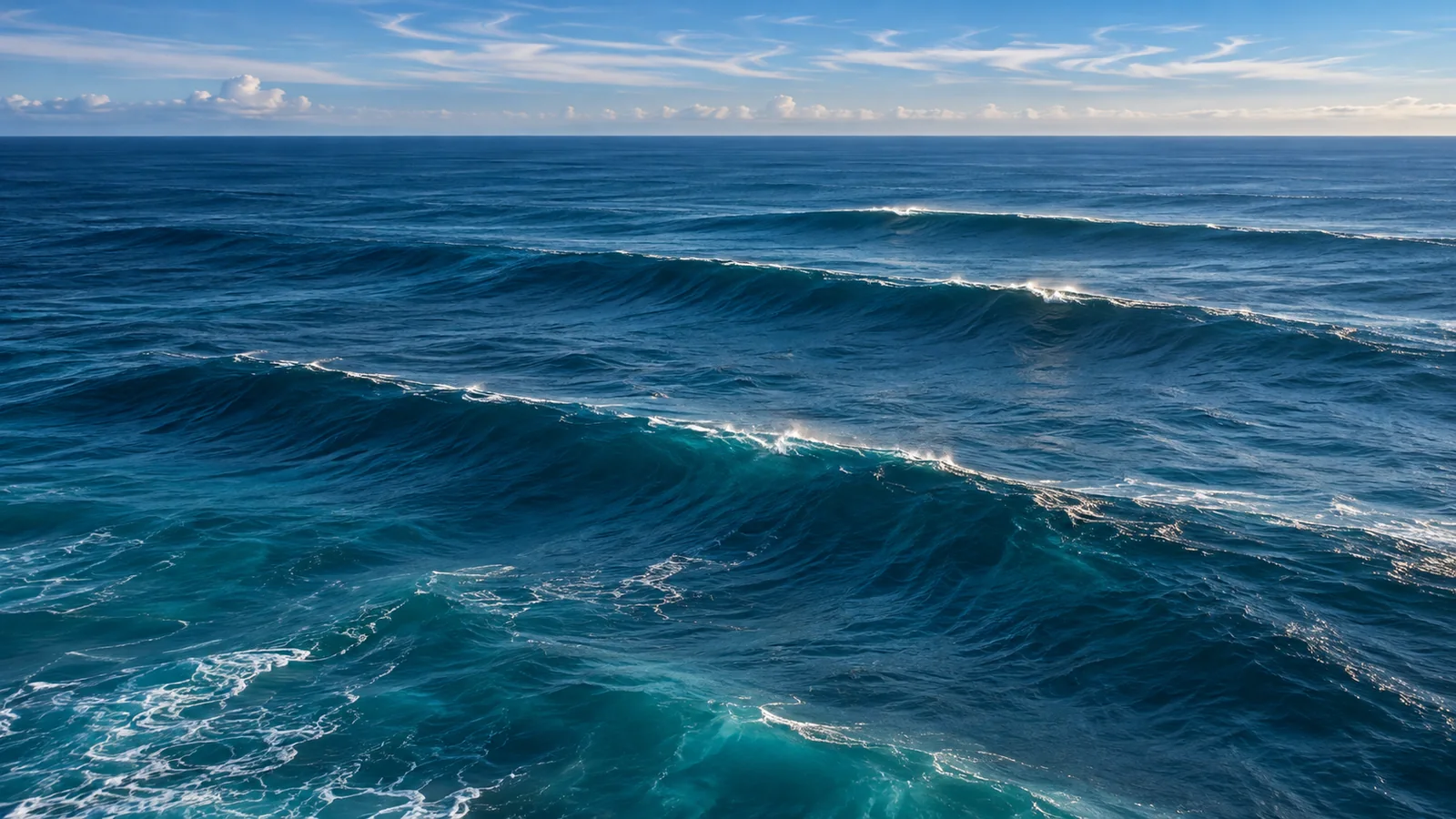
Wave Period and Wavelength: What Deep-Water Numbers Mean
Convert wave period to wavelength with the deep-water formula. Compare crest and group speeds, check the depth assumption and follow clear worked examples.
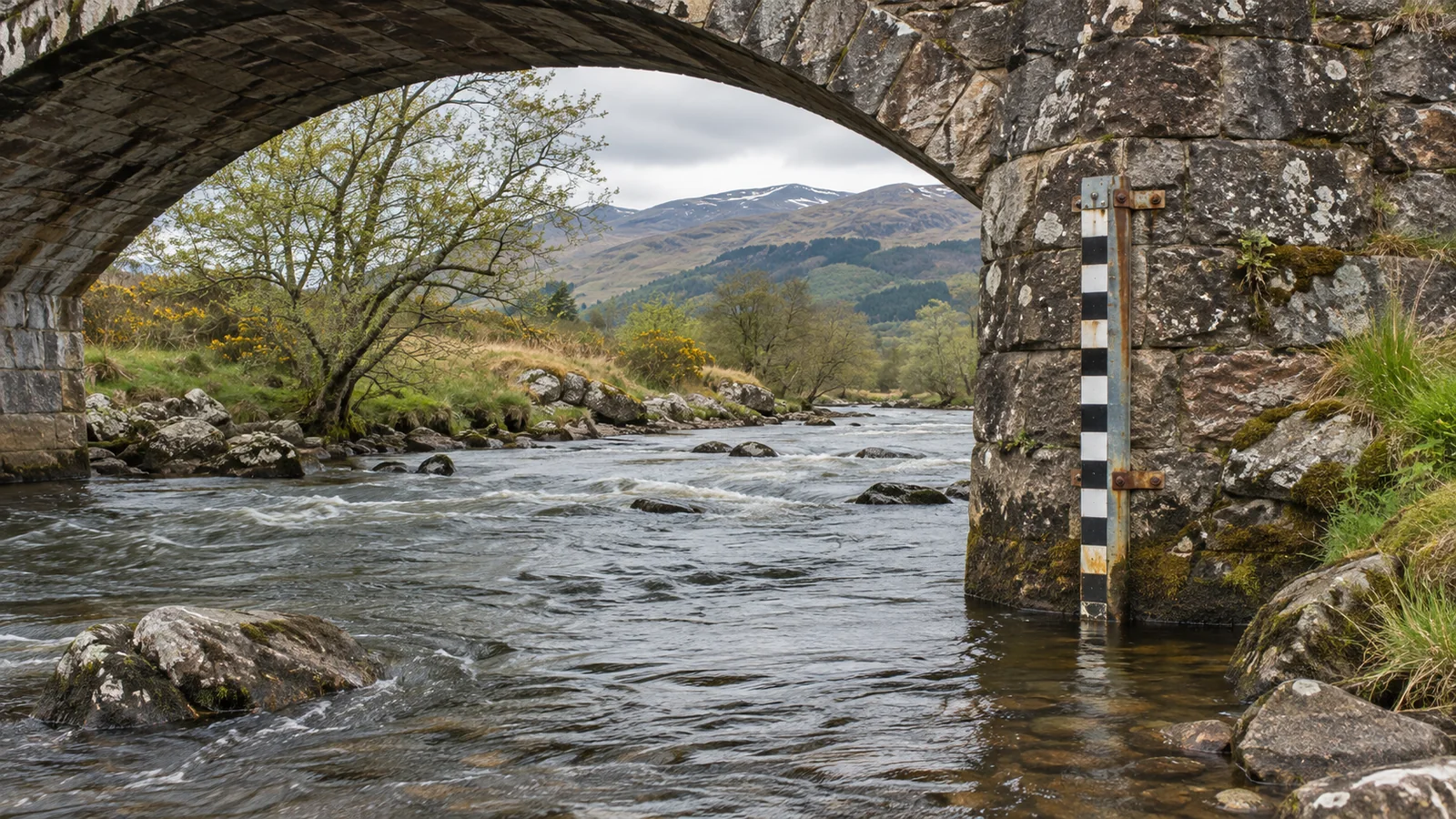
River Gauge Stage vs Discharge: Units and Rating Curves
Understand river stage versus discharge, gauge-height units and station rating curves. Use worked examples to keep datum, location and time with each reading.
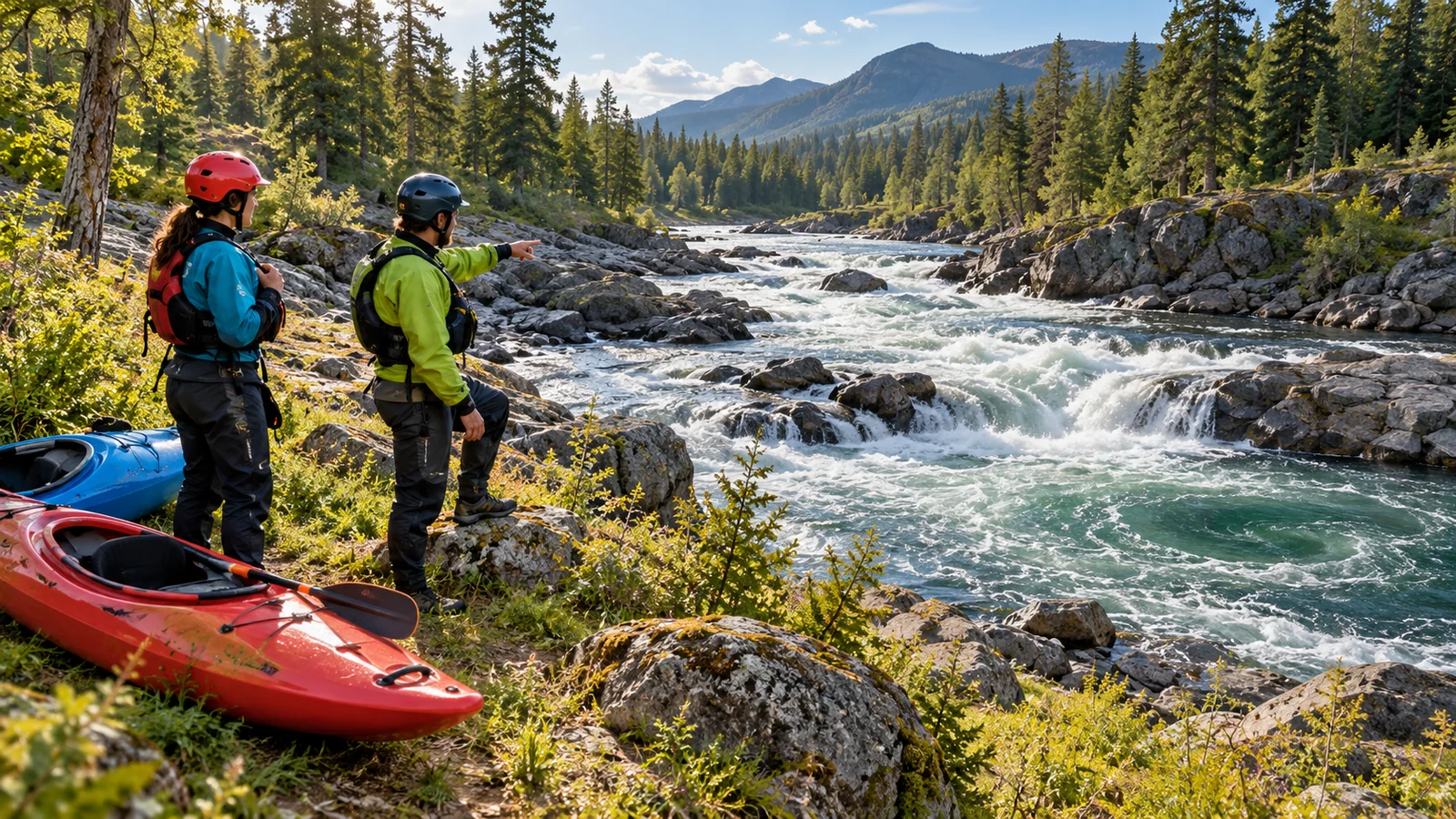
Whitewater River Grades: Classes, Flow and Consequences
Understand whitewater river grades and Class I–V descriptions. Compare a rapid rating with flow, continuity, access and consequences when planning a trip.
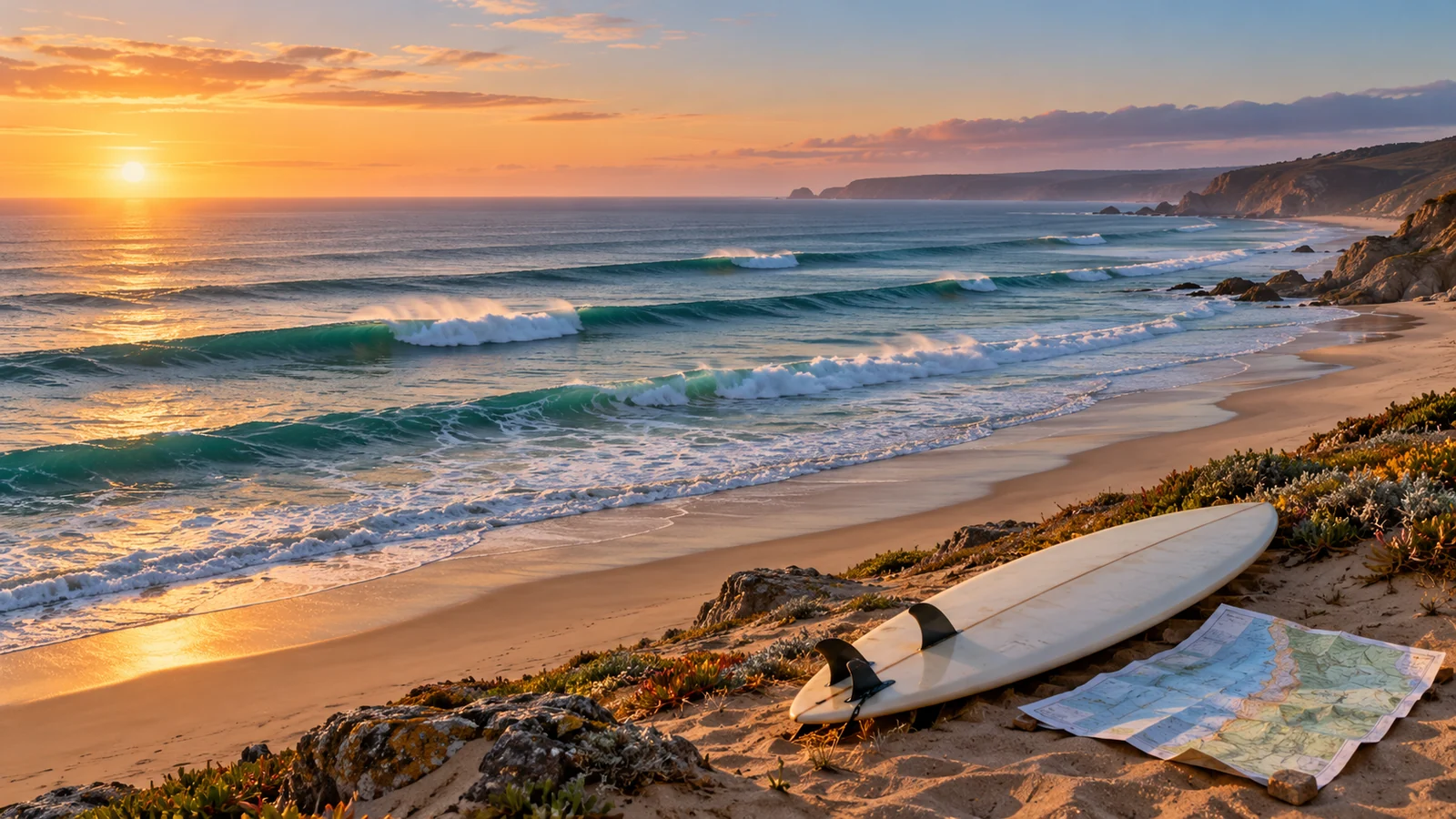
How to Read a Surf Forecast: Height, Period and Direction
Decode surf forecast labels with worked component comparisons. Separate combined seas, swell period and direction, then keep a record using the Swell Component Lab.
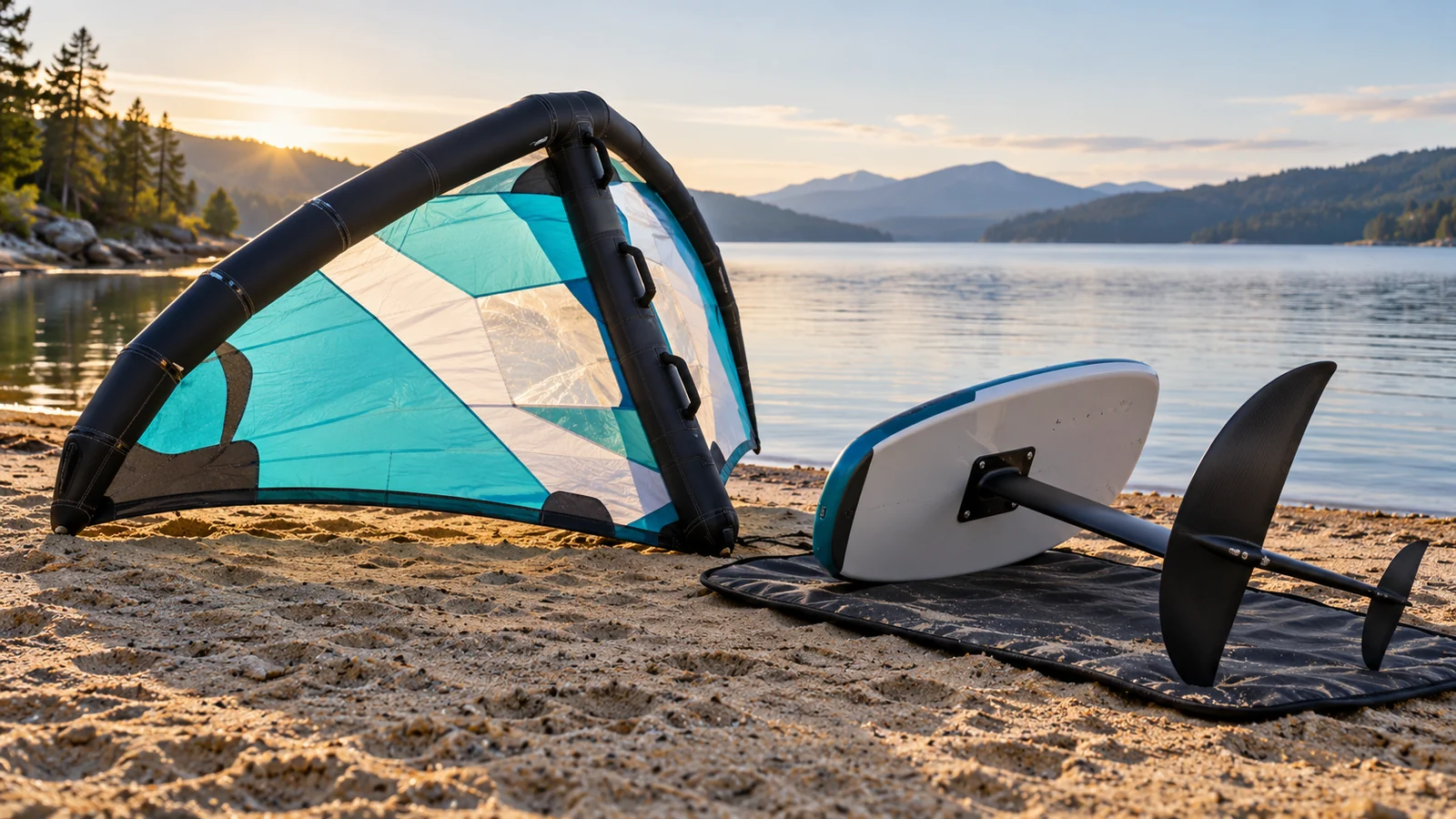
Beginner Wing-Foil Equipment: Board, Wing and Foil
Choose beginner wing-foil equipment as a complete system. Compare board volume and shape, foil connections, wing handling and second-hand buying checks.
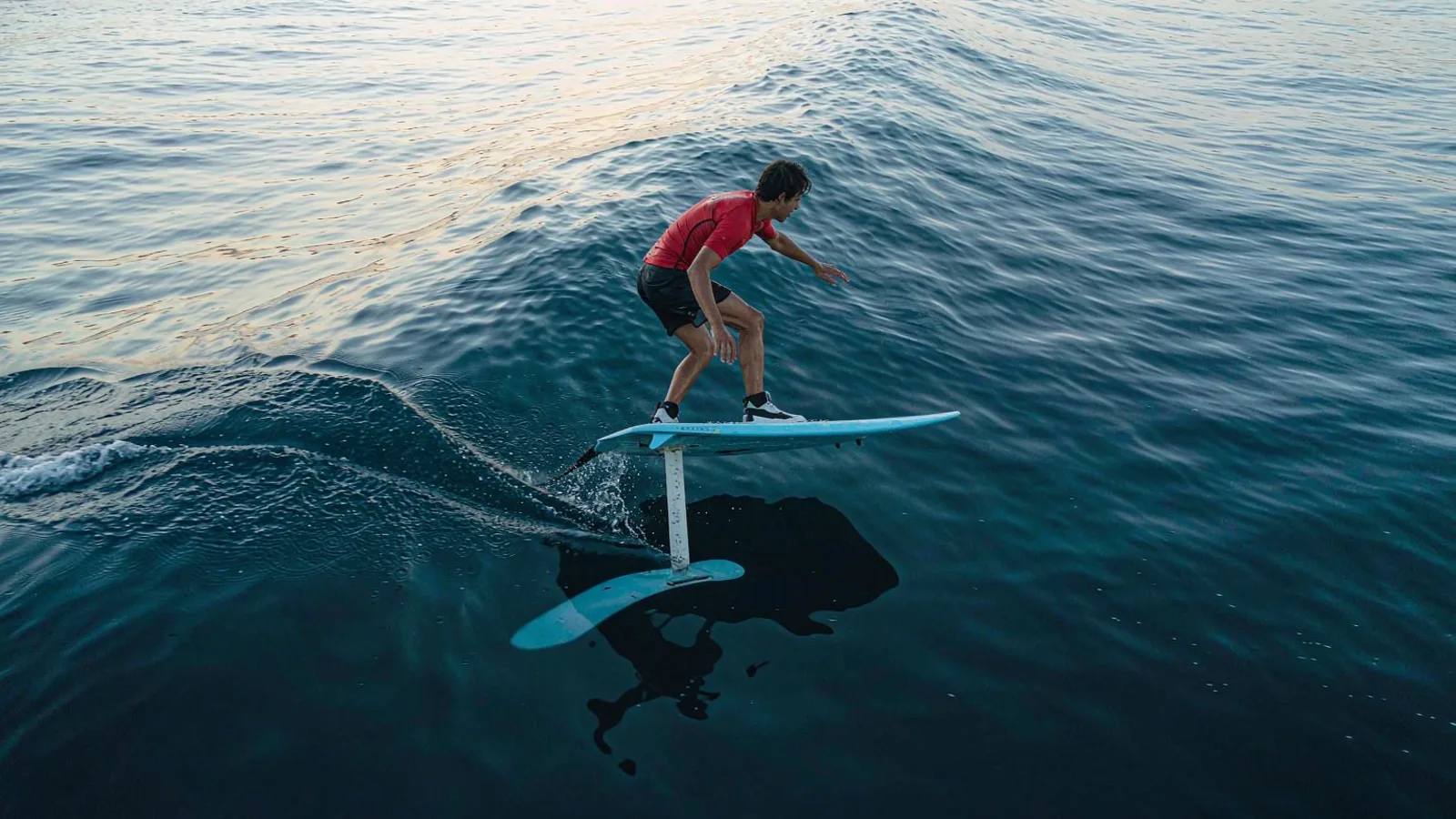
Hydrofoil Surfing Explained: Lift, Pitch and Foil Parts
Learn how a surf hydrofoil generates lift, what the mast and wings do, and why pitch, water flow and the complete setup matter more than area alone.
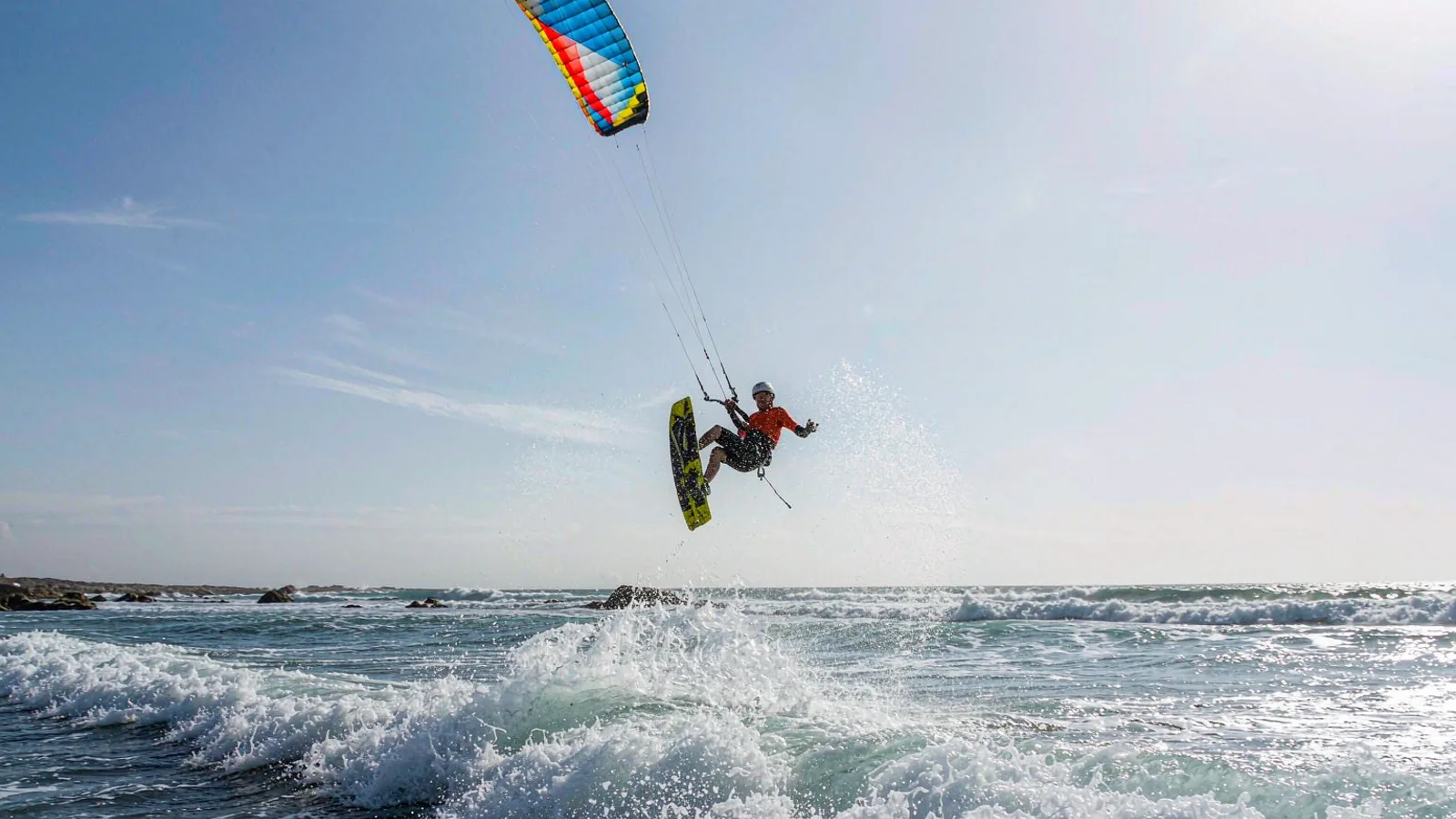
Kitesurfing Wind Window: Power Zones and Apparent Wind
Understand the kitesurfing wind window, kite-position terminology and apparent wind. Learn what a diagram or wind-range chart leaves out of a real session.
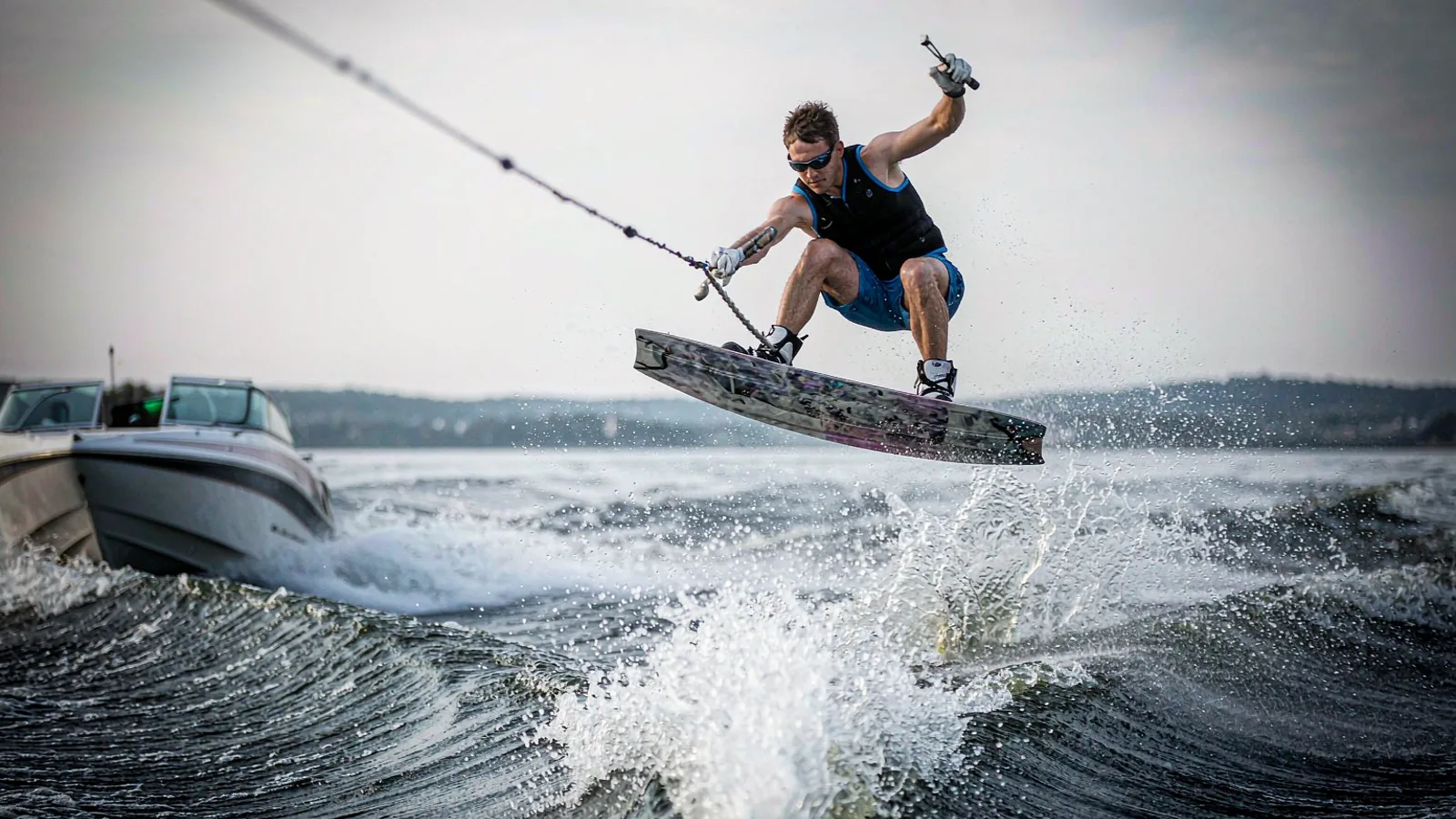
Wakeboarding Basics: Boat vs Cable and Board Control
Compare boat and cable wakeboarding, understand tow tension and board edges, and prepare questions about equipment, flotation and the operator's briefing.
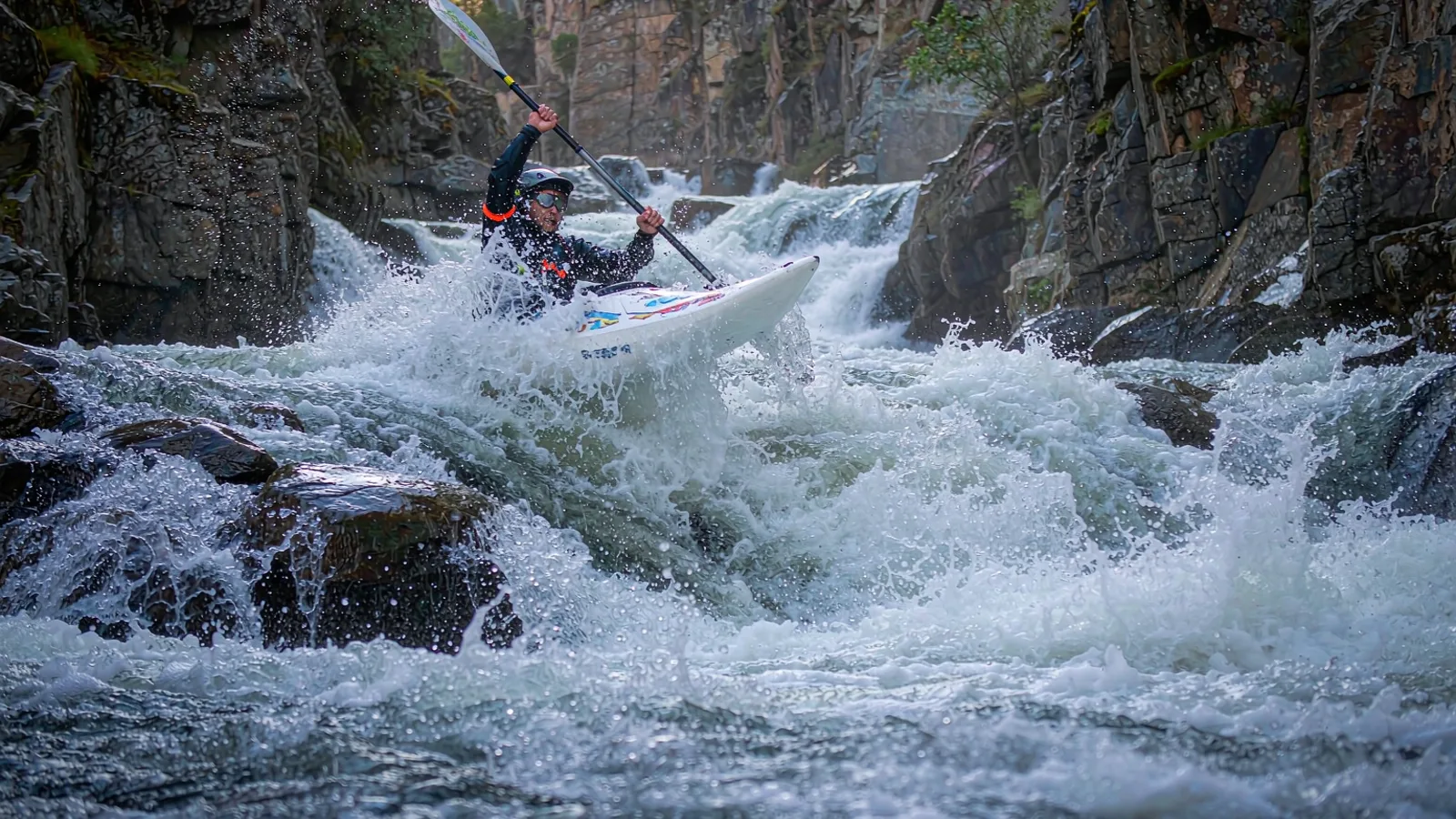
Whitewater Kayaking Basics: Eddies, Holes and Skills
Understand whitewater kayaking eddies, hydraulics and river grades. Separate flow features, boat-control skills and swimming context before choosing a run.
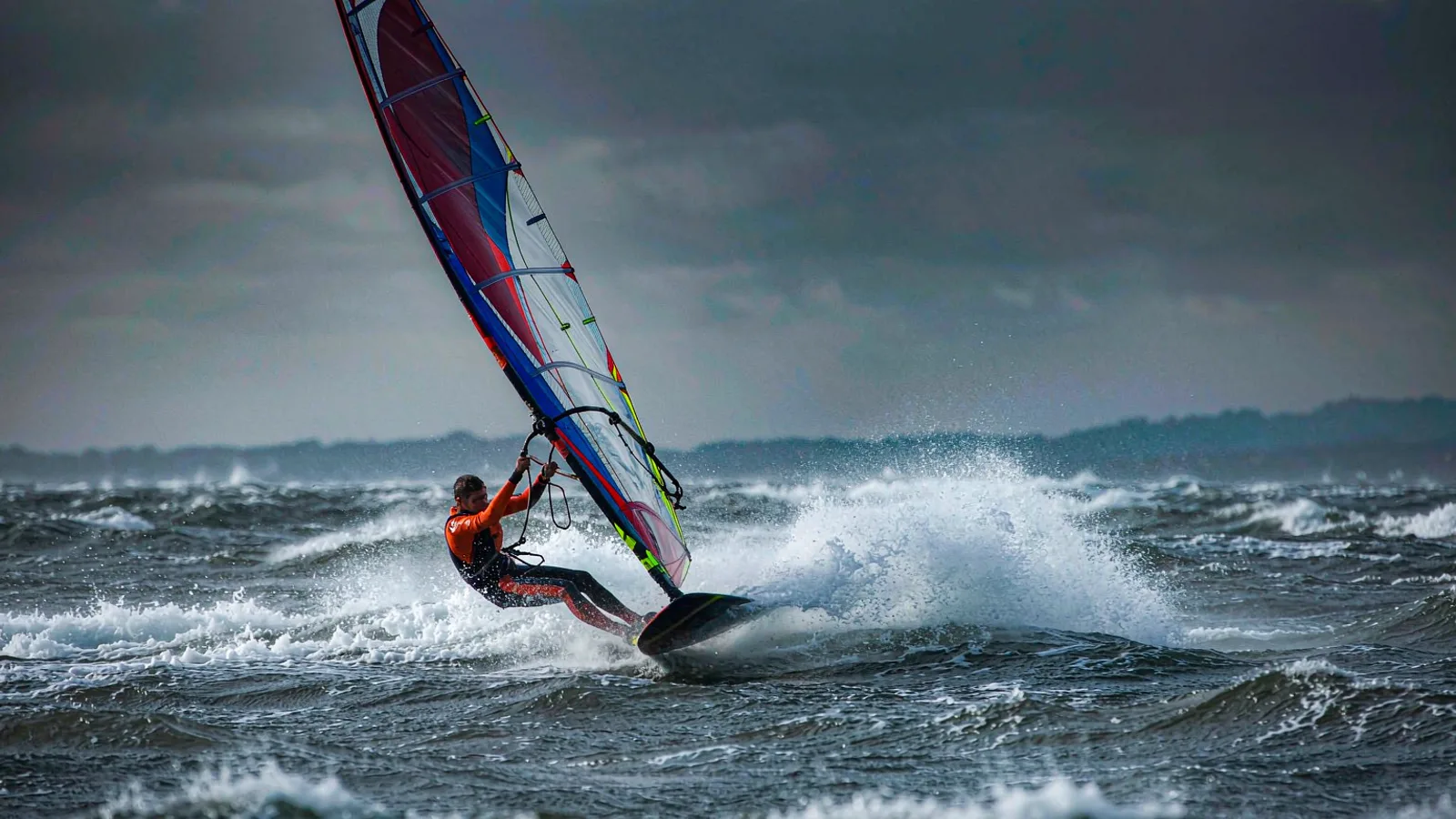
Windsurfing Basics: Sail Forces, Steering and Planing
Understand windsurfing sail forces, board and fin roles, introductory steering and planing. Compare learning stages without relying on a universal speed target.
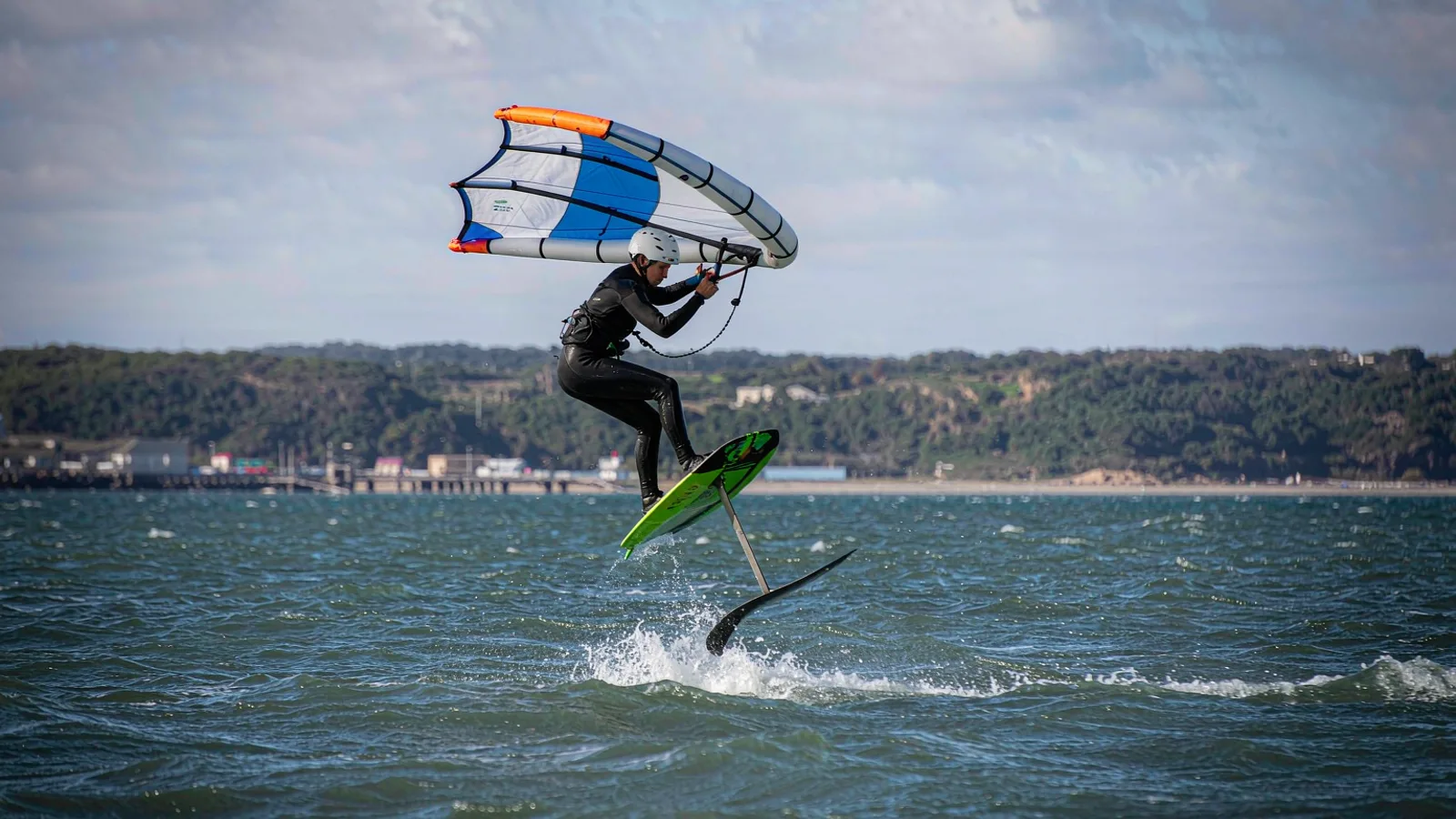
Wing Foiling Explained: Wing Power, Foil Lift and Control
Learn how wing foiling combines a hand-held wing with a hydrofoil. Compare it with kitesurfing and windsurfing, and understand the stages of learning.