
Aerial & Elevation
Understand flight concepts, weather briefings and specialist training boundaries for aerial sports and highlining.
Paragliding, paramotoring, skydiving, wingsuit flight and highlining involve different systems. A shared interest in height does not make their equipment, emergency procedures or qualification pathways interchangeable.
Start with the activity-specific training and operating context. A weather app cannot approve a launch, and a minimum jump count cannot establish complete readiness for a specialist skydive. Local rules, equipment limits and the actual plan all matter.
This collection explains concepts and preparation questions. It does not teach anchor construction, parachute emergencies or terrain-proximity flight from a short sequence of steps. Suitable instruction and current primary references remain essential to practical participation.
Where to start
- Organise a weather briefing
Connect forecast coverage, wind variability and the actual site.
- Prepare for a first tandem jump
Ask the operator the right questions before the ground briefing.
- Separate airspeed from groundspeed
Use wind-vector diagrams to keep GPS motion and air-relative motion distinct.
All guides in this collection
Newest publications first. A revision keeps the article's original publication date.

Paragliding Airspeed vs Groundspeed: How Wind Adds
Compare paragliding airspeed and groundspeed with headwind, tailwind and crosswind examples. Learn how velocity vectors differ from a GPS speed reading.

Skydiving Altitude: MSL vs AGL and Density Altitude
Compare MSL, AGL and density altitude in skydiving. Work through ground-elevation examples and see why terrain and altitude references must stay together.
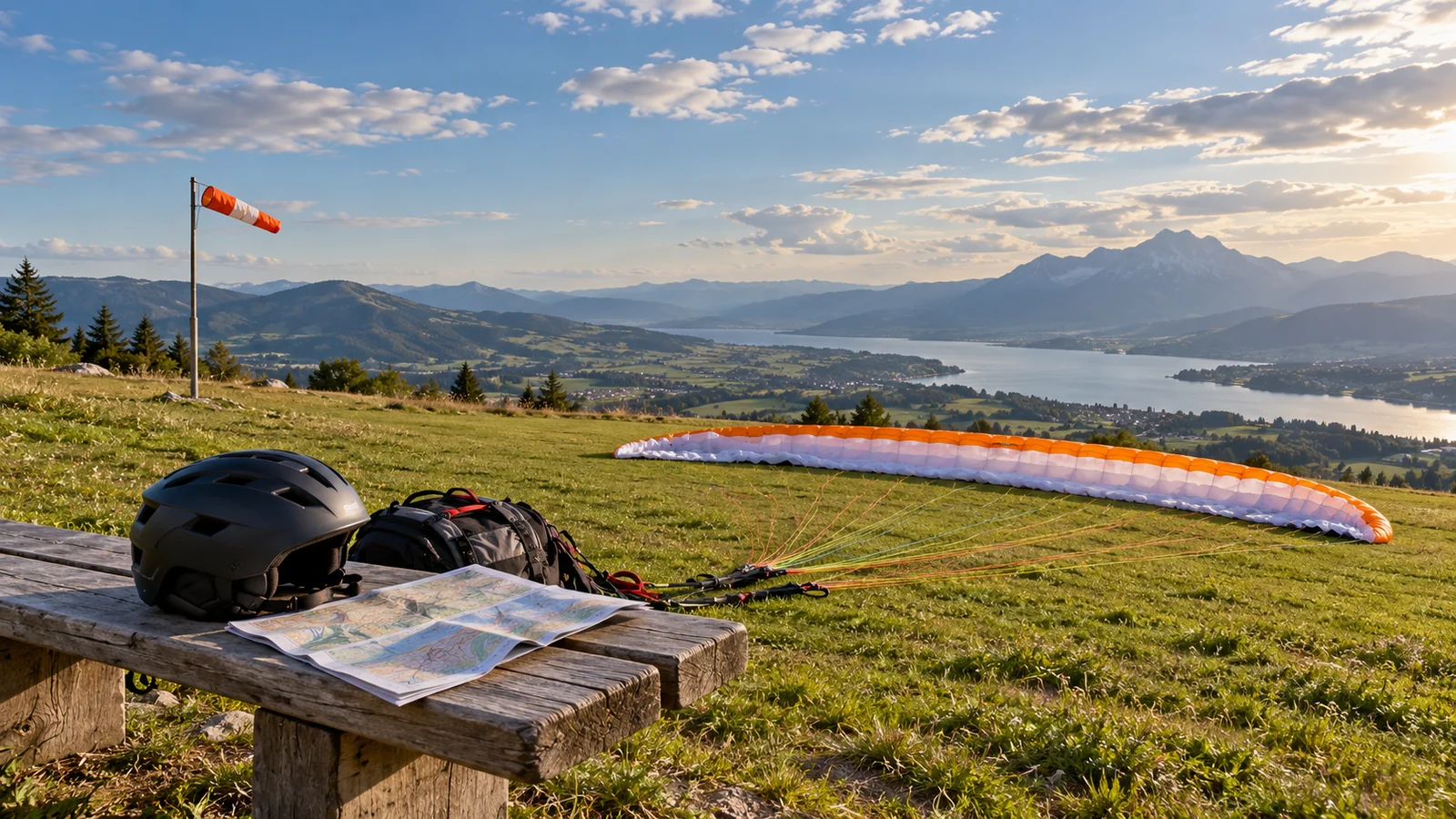
Paragliding Weather: Wind, Gusts and Site Briefings
Prepare a paragliding weather briefing using forecast height, wind, gusts and trends. Connect launch, landing and local guidance without a universal wind limit.
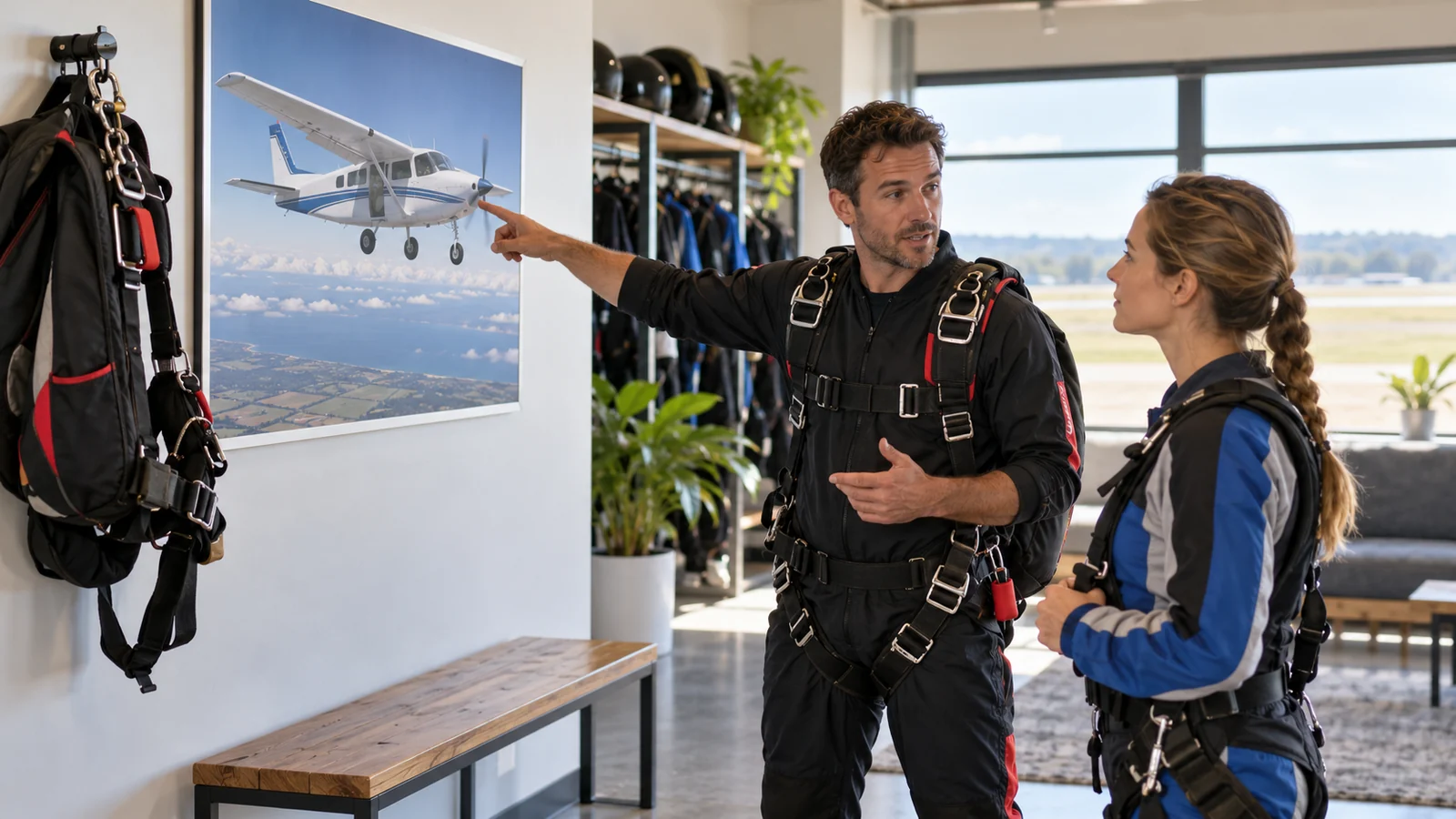
First Tandem Skydive: What to Expect and Ask Beforehand
Prepare for your first tandem skydive with questions about eligibility, clothing, timing, weather delays, instructor briefings and what happens afterwards.

Highlining Explained: Balance, Tension and System Limits
Understand how a highline moves, why sag and tension interact, and how backups, clearance and rescue planning belong to a complete specialist system.
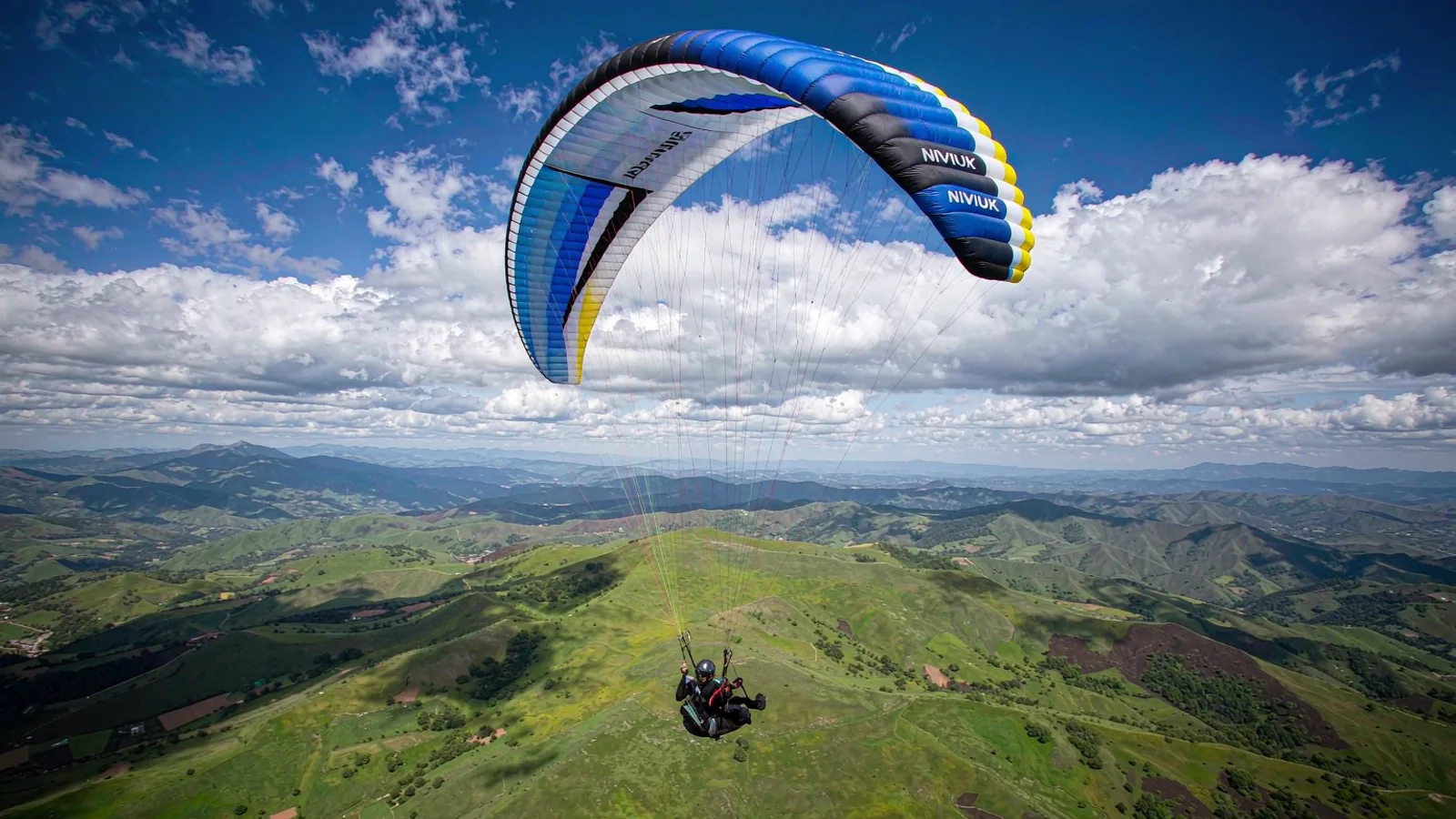
Paragliding Thermals: Rising Air, Sink Rate and Climb
Understand how thermals let paragliders climb while descending through the airmass. Compare air-relative sink, ground-relative climb and weather context.
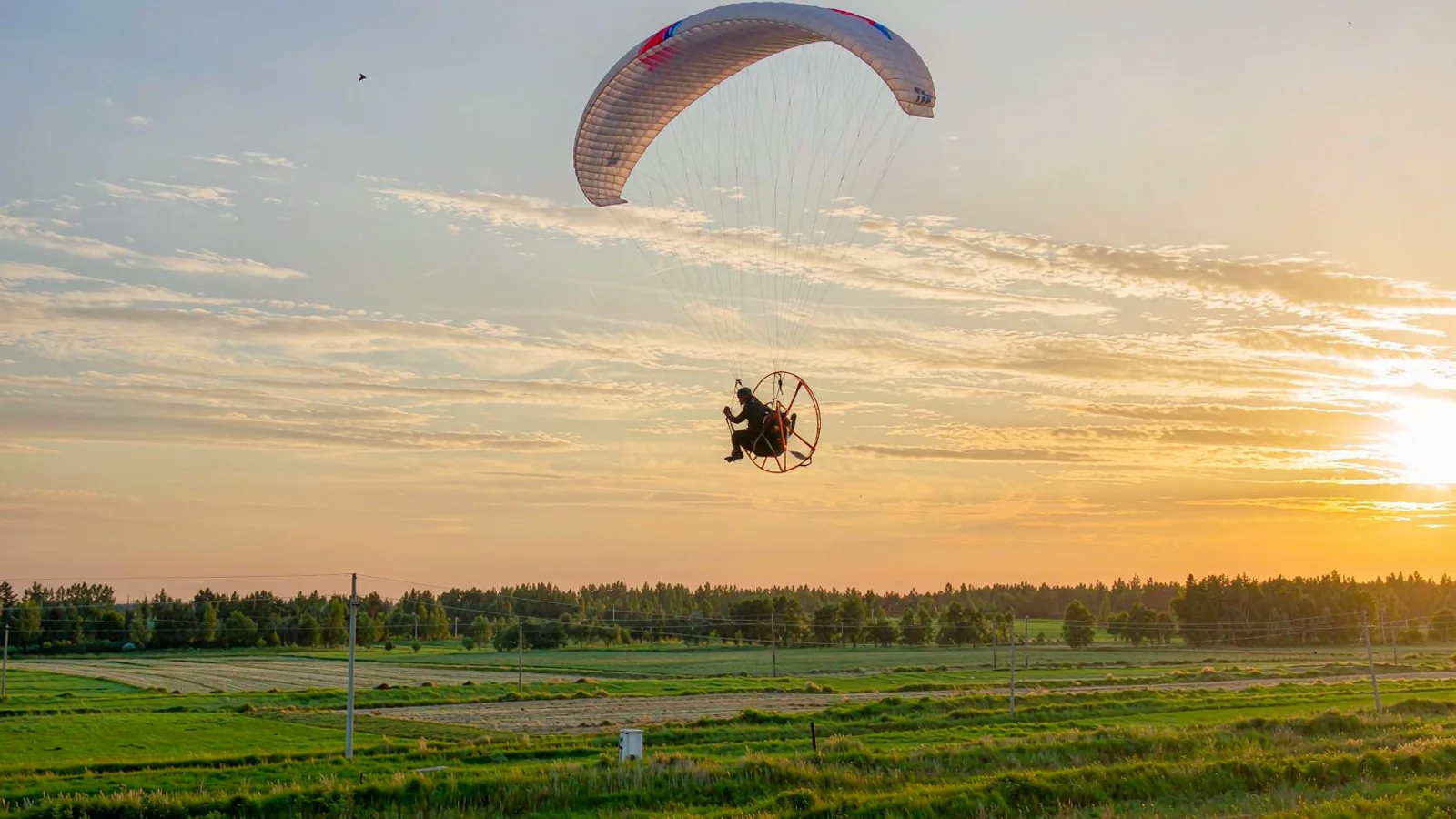
Paramotoring Explained: Thrust, Lift and Wing Matching
Understand how a paramotor adds thrust to a paraglider. Check all-up weight, powered-use approval, component matching and the operating context.
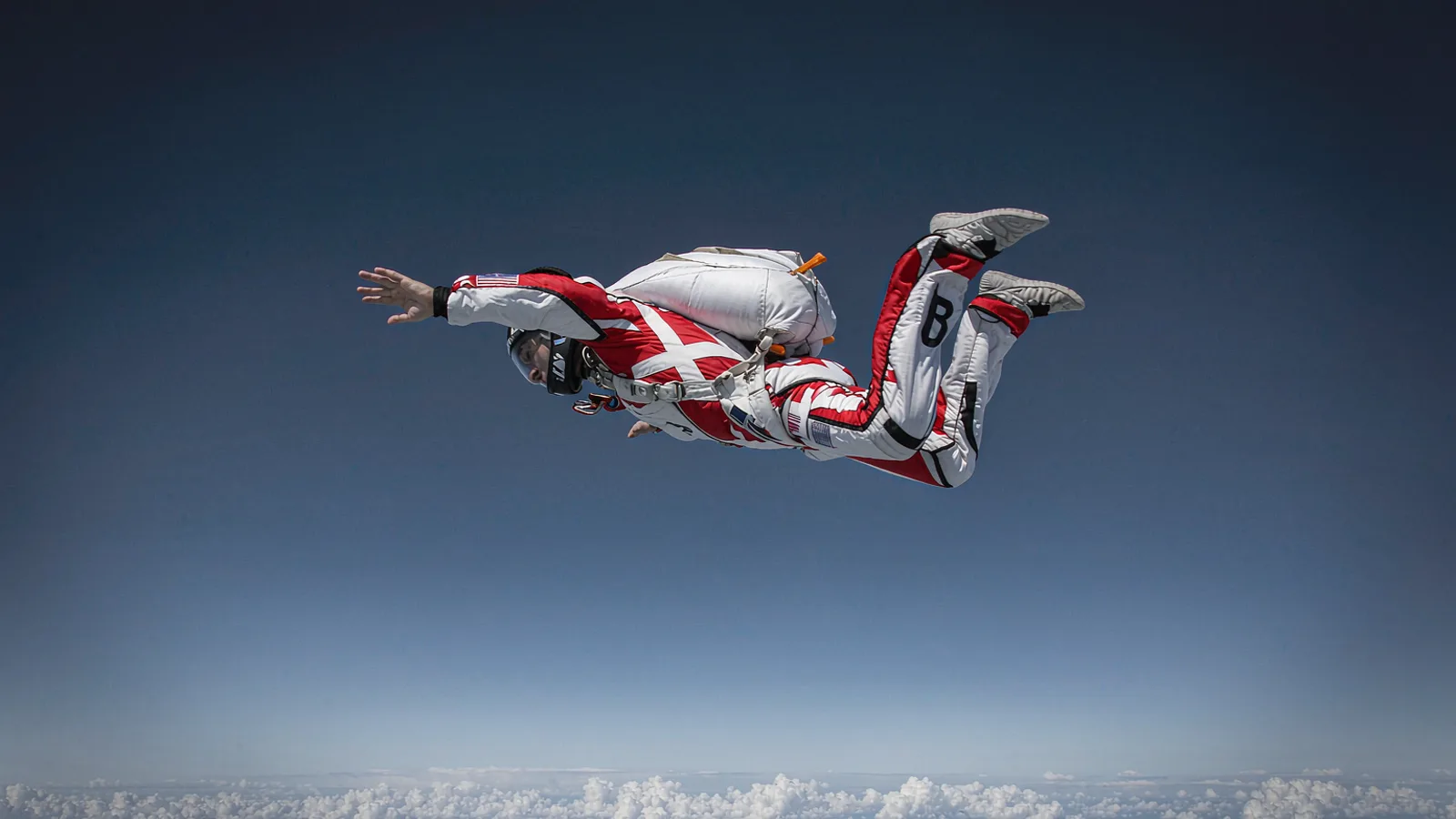
Skydiving Basics: Freefall, Parachutes and Training
Understand skydiving freefall, drag, parachute deployment and canopy flight. Compare tandem, AFF and other student methods before choosing training.
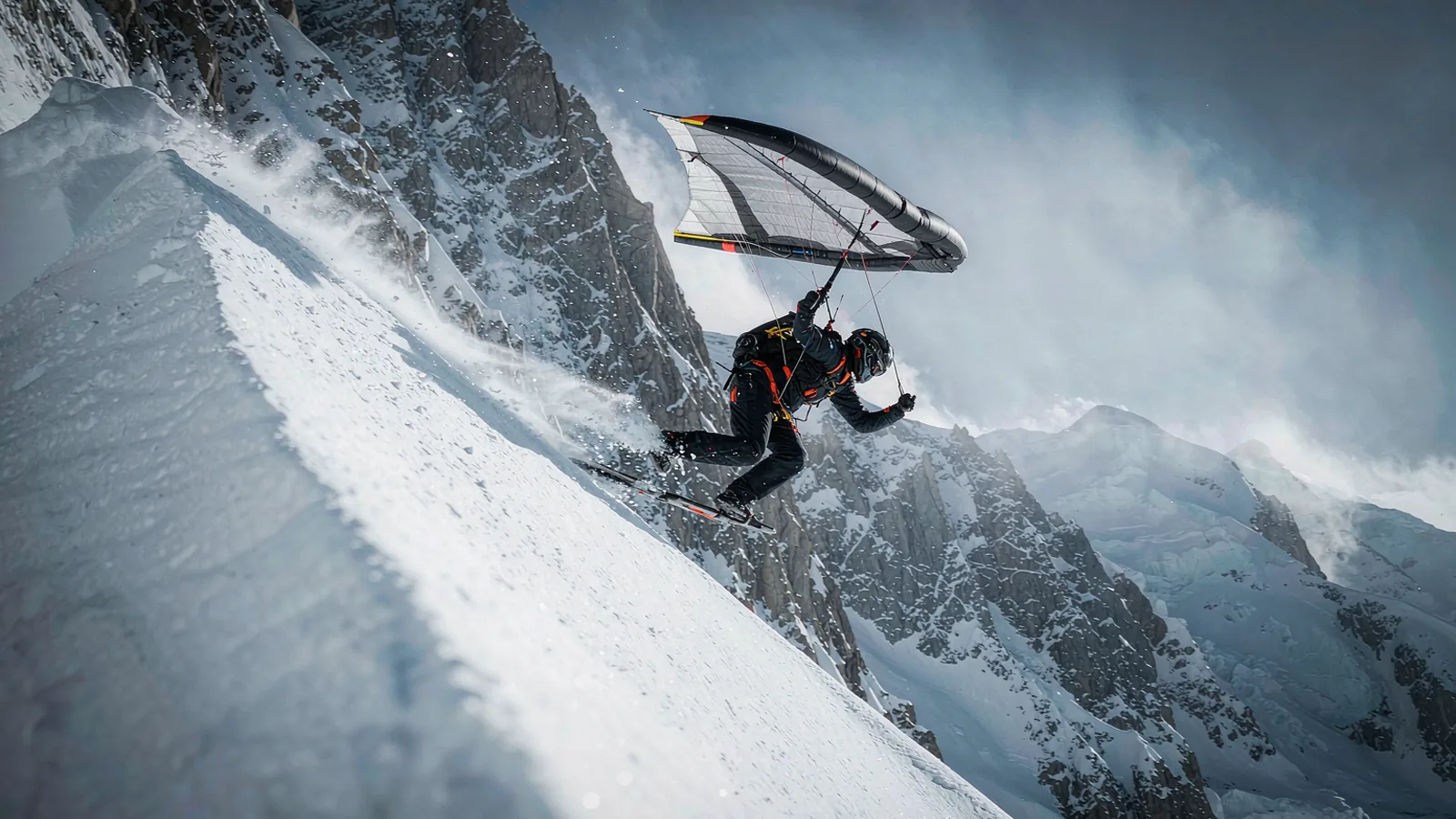
Speedflying vs Speedriding: Wings, Loading and Terrain
Compare speedflying and ski-based speedriding. Understand wing loading, model-specific design and why speed changes decision time near terrain.

Wingsuit Flying: Requirements, Glide and Training
Check USPA wingsuit requirements and first-flight training context. Understand glide ratio, suit selection and why aircraft skydives differ from BASE.