
Alpine & Snow
Prepare for changing mountain conditions, snowpack questions, outdoor climbing and the equipment used on the approach.
Mountain objectives combine movement with weather, terrain, access and the route back. Skiing or climbing ability does not by itself answer those planning questions. This collection includes snow sports, winter climbing, outdoor bouldering and the equipment decisions that connect them.
For snow travel, begin with the current regional avalanche information and suitable education. A local snowpit, a slope-angle number or a familiar track cannot alone establish that a route is appropriate. Consider release terrain and runout zones, not only the ground under your feet.
For rock and ice, separate the movement problem from the protection and descent problem. The clothing and landing-zone guides provide preparation questions; technical protection, rescue and specialist movement still need suitable practical instruction.
Put the guide to use
- Layering field log CSV worksheet
Compare movement, stops and the return. Record dampness, garment access and the next adjustment to test.
Where to start
- Understand the bulletin
Keep region, validity, avalanche problems and terrain connected.
- Plan for movement and stops
Build a clothing system that works across the whole outing.
- Read the height reference
Separate freezing-level definitions, cloud base and the elevation used in a mountain forecast.
All guides in this collection
Newest publications first. A revision keeps the article's original publication date.
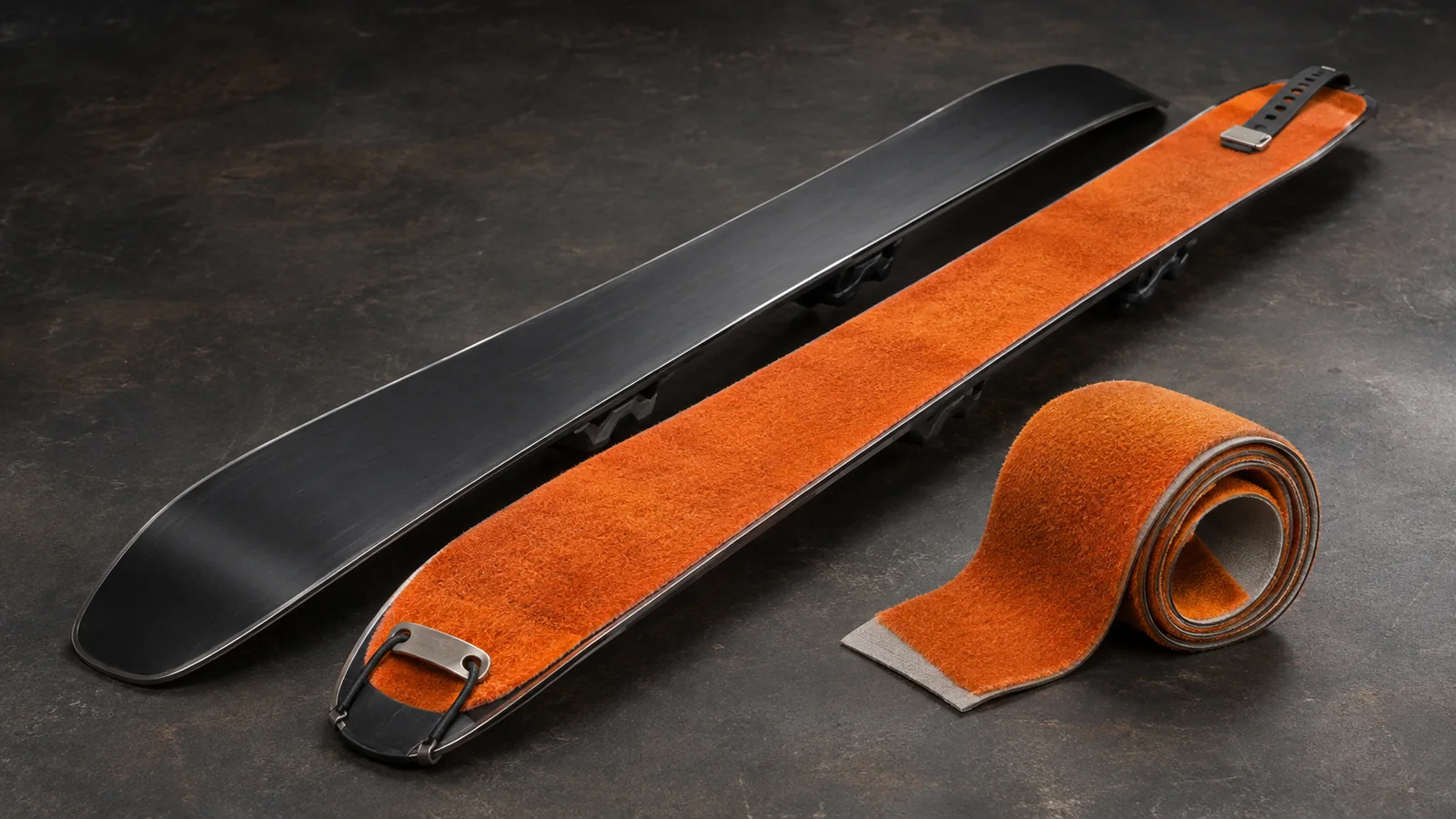
Ski Skin Sizing: Width, Length, Trimming and Compatibility
Size climbing skins for your exact ski: compare width, length, edge exposure and tip-tail attachments, then confirm compatibility before trimming or ordering.
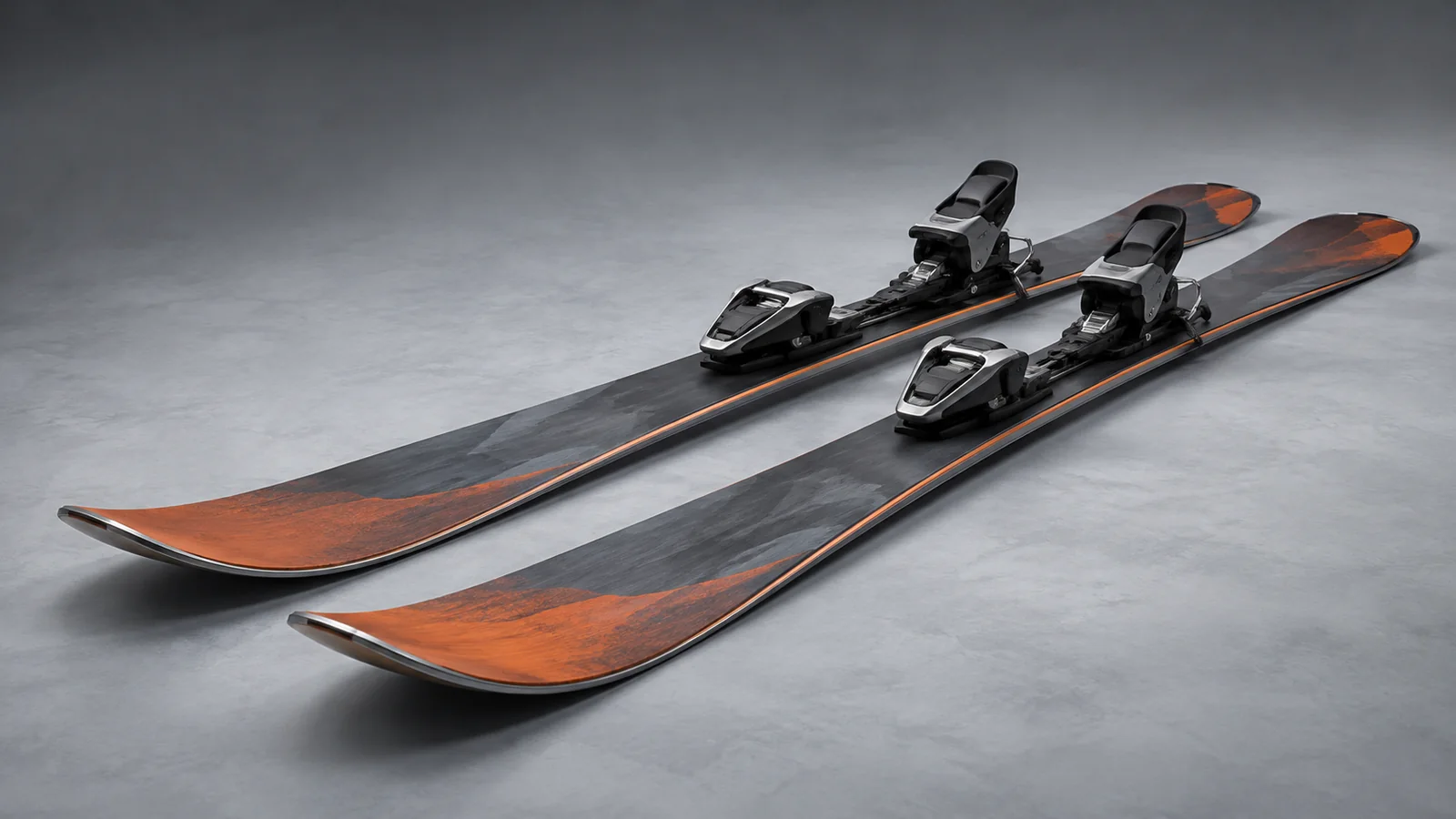
Ski Sidecut Radius, Rocker and Effective Edge Explained
Understand ski sidecut radius, camber, rocker and effective edge. Compare specification views and learn why a stated radius does not fix the size of each turn.
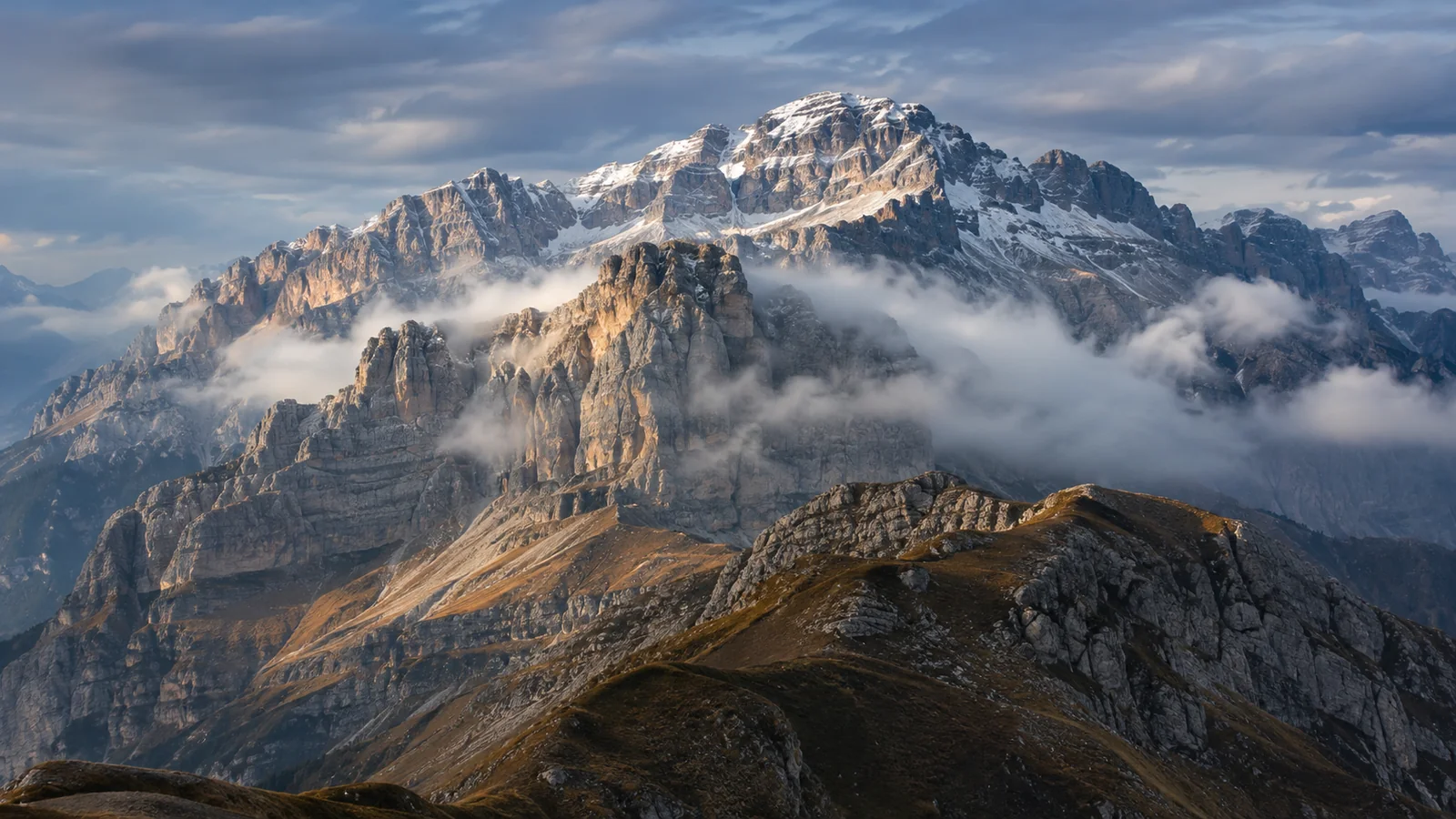
Mountain Forecasts: Freezing Level, Snow Level and Cloud Base
Learn what freezing level, snow level and cloud base mean in mountain forecasts, how height references differ and why existing snow cover is a separate record.
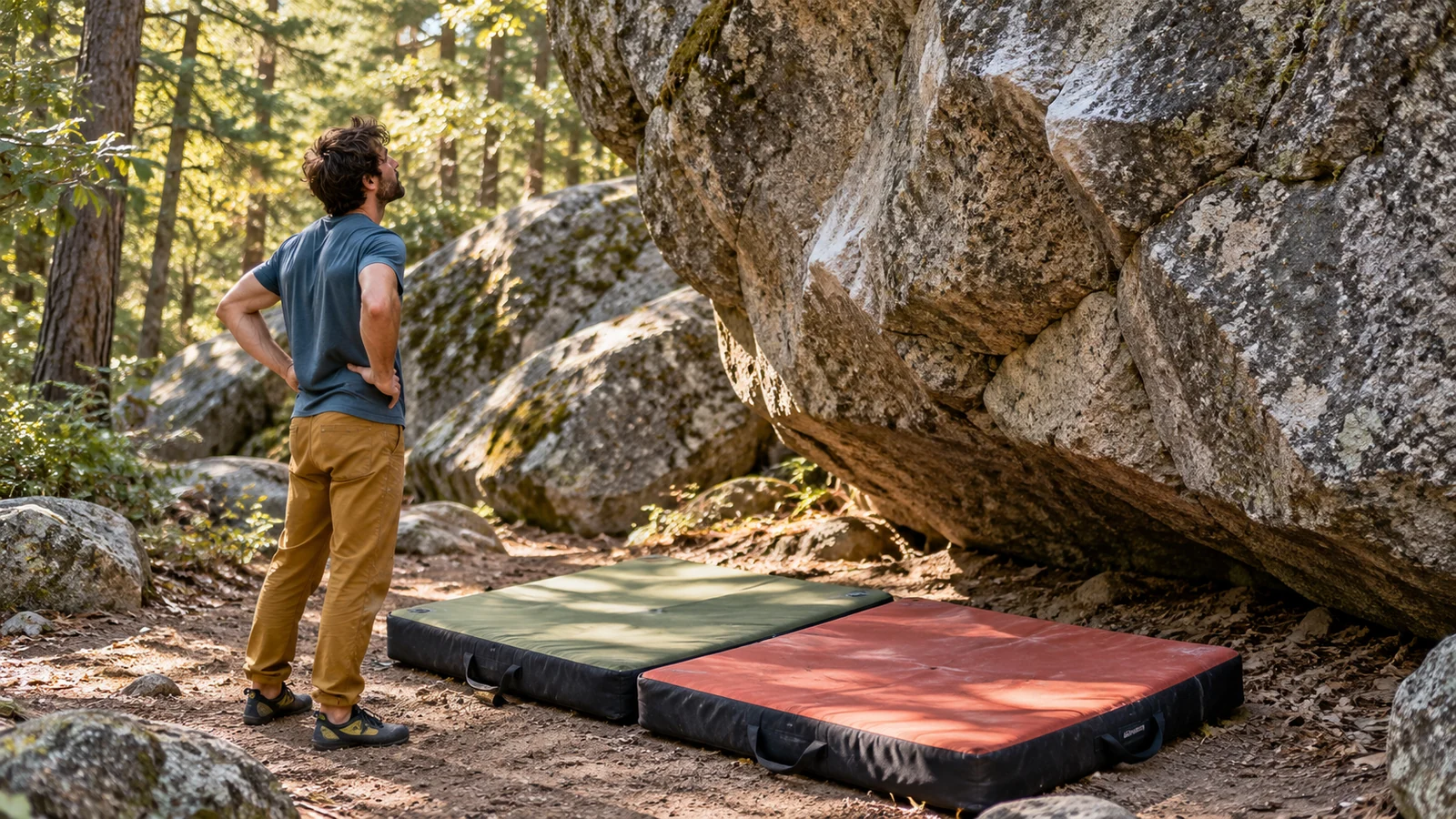
Bouldering Landing Zones: Crash Pads and Spotting
Assess outdoor bouldering landing zones, crash-pad gaps, changing fall directions, spotting limits and the descent before choosing a problem.
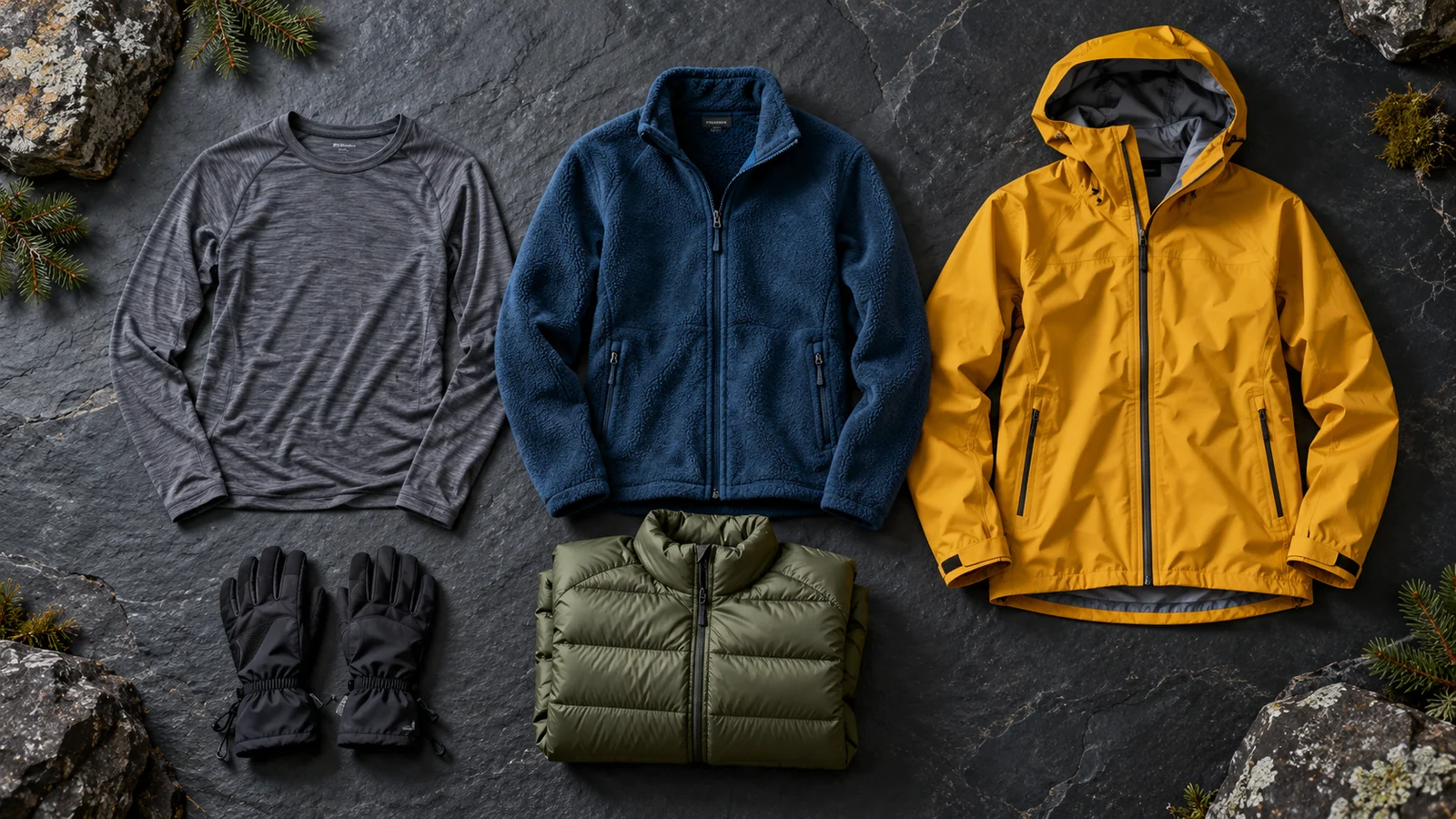
Mountain Layering System: Base, Midlayer and Shell
Plan clothing for ascent, stops and the return. Use a downloadable layering field log and a fictional worked record to separate garment, fit and packing problems.
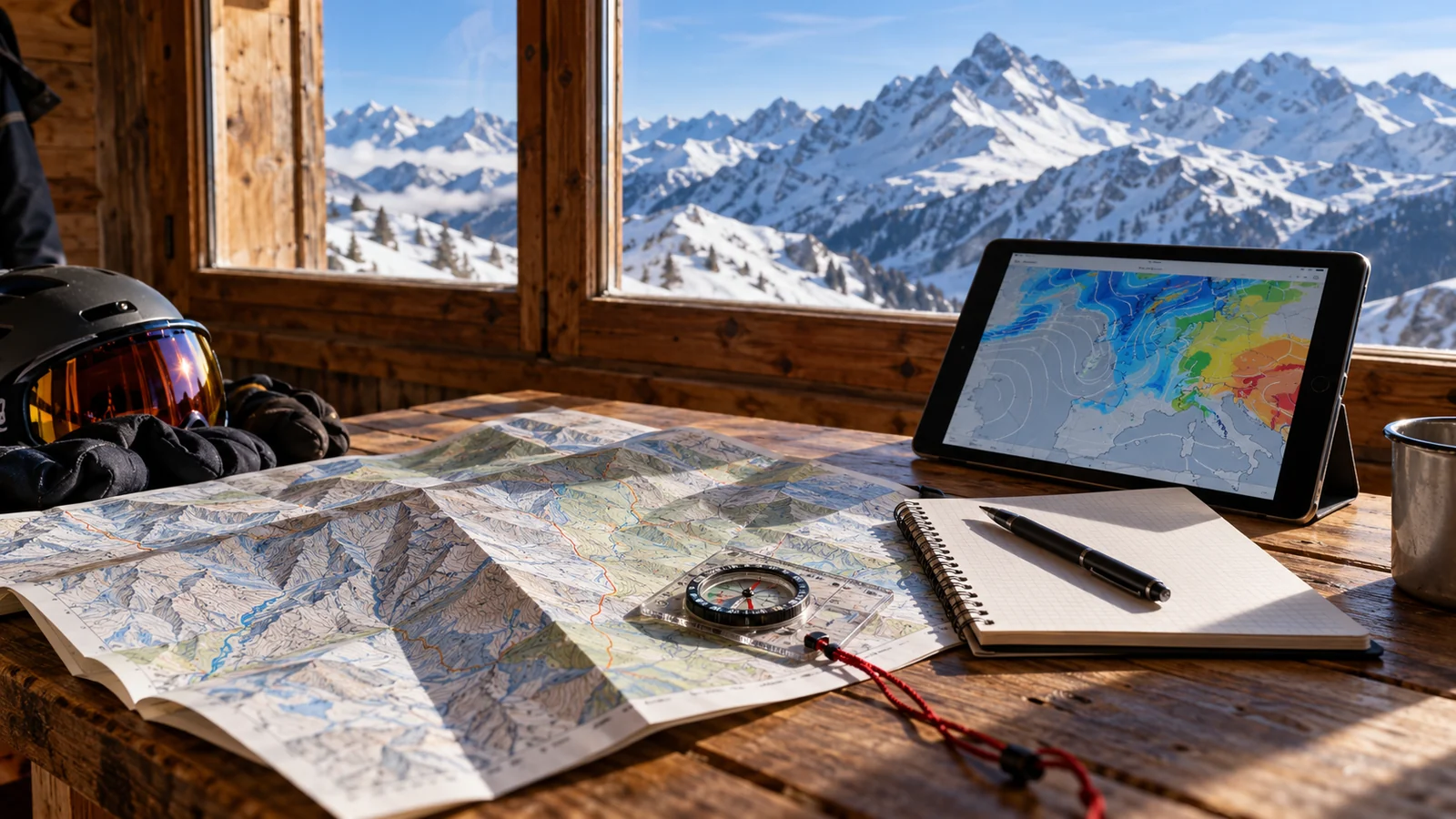
How to Read an Avalanche Forecast and Danger Rating
Read avalanche forecast regions, validity, danger levels, elevation bands and aspects. Use a worked bulletin example to connect problems with route questions.
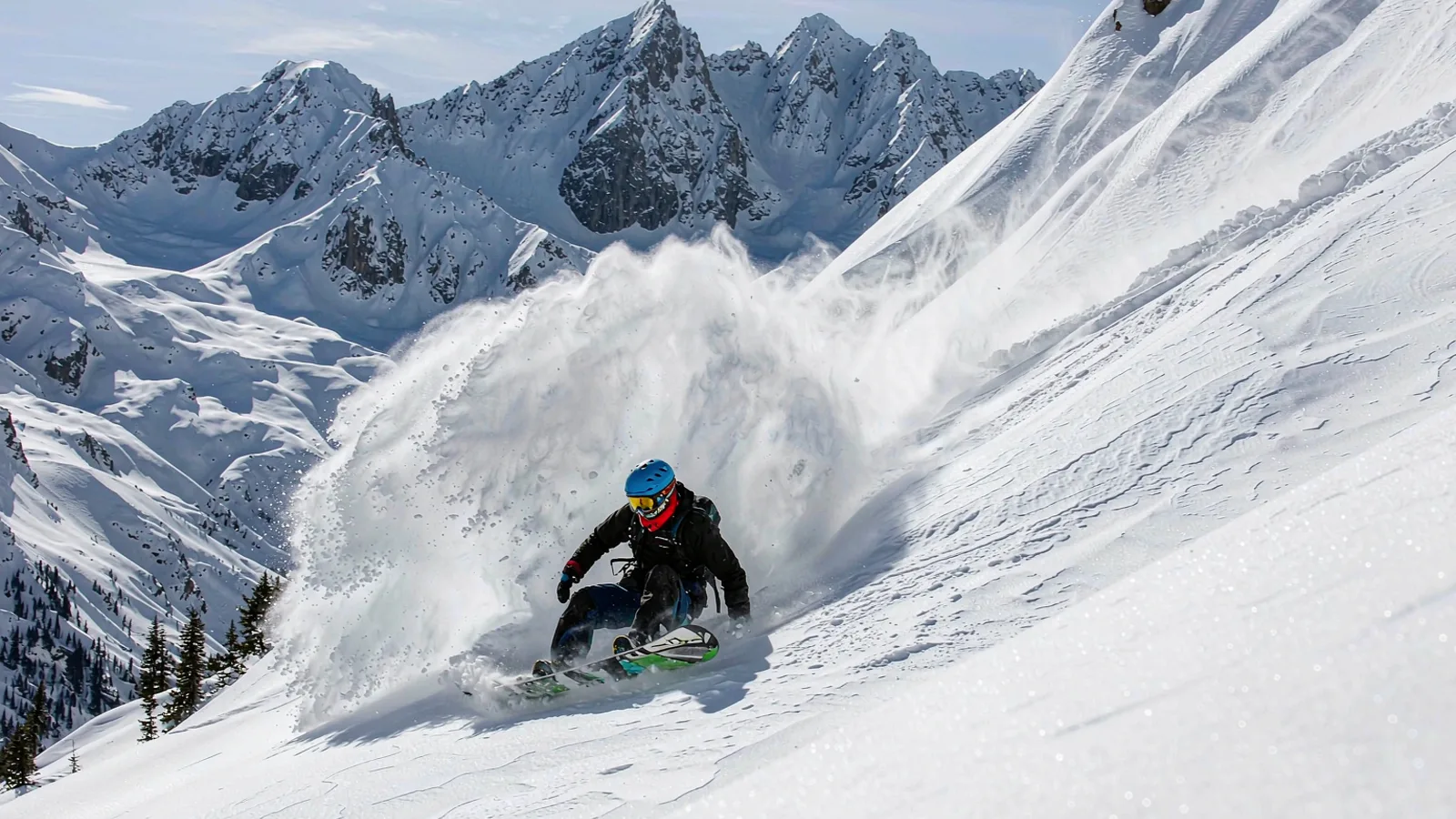
Backcountry Snowboarding: Terrain, Forecasts and Gear
Plan backcountry snowboarding around avalanche forecasts, connected terrain and group skills. Distinguish splitboard access from powder-board design.
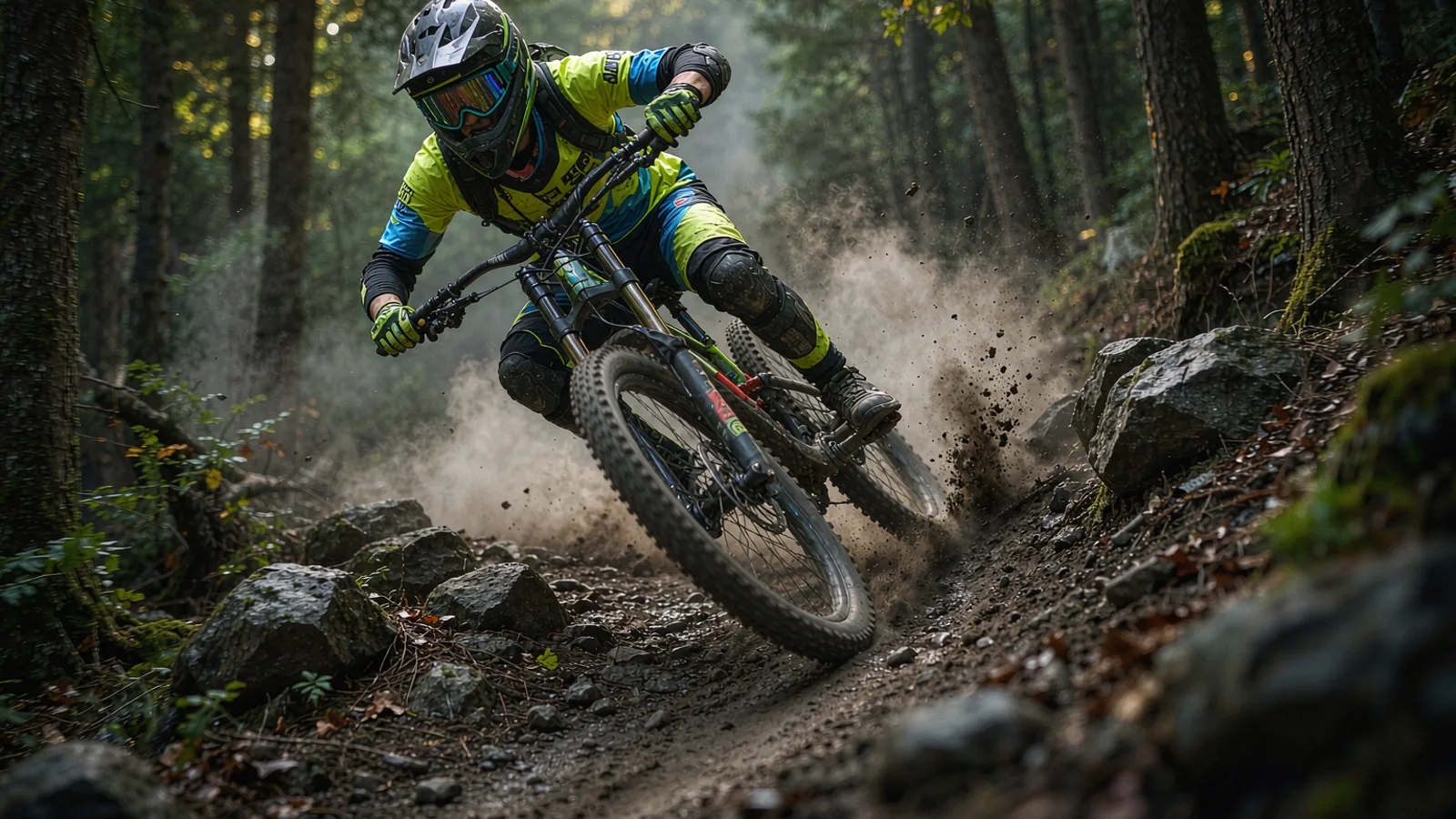
Downhill Mountain Biking: Braking, Grip and Line Choice
Understand downhill MTB braking and traction, compare line options and trail grades, and separate a bike's equipment capability from rider readiness.
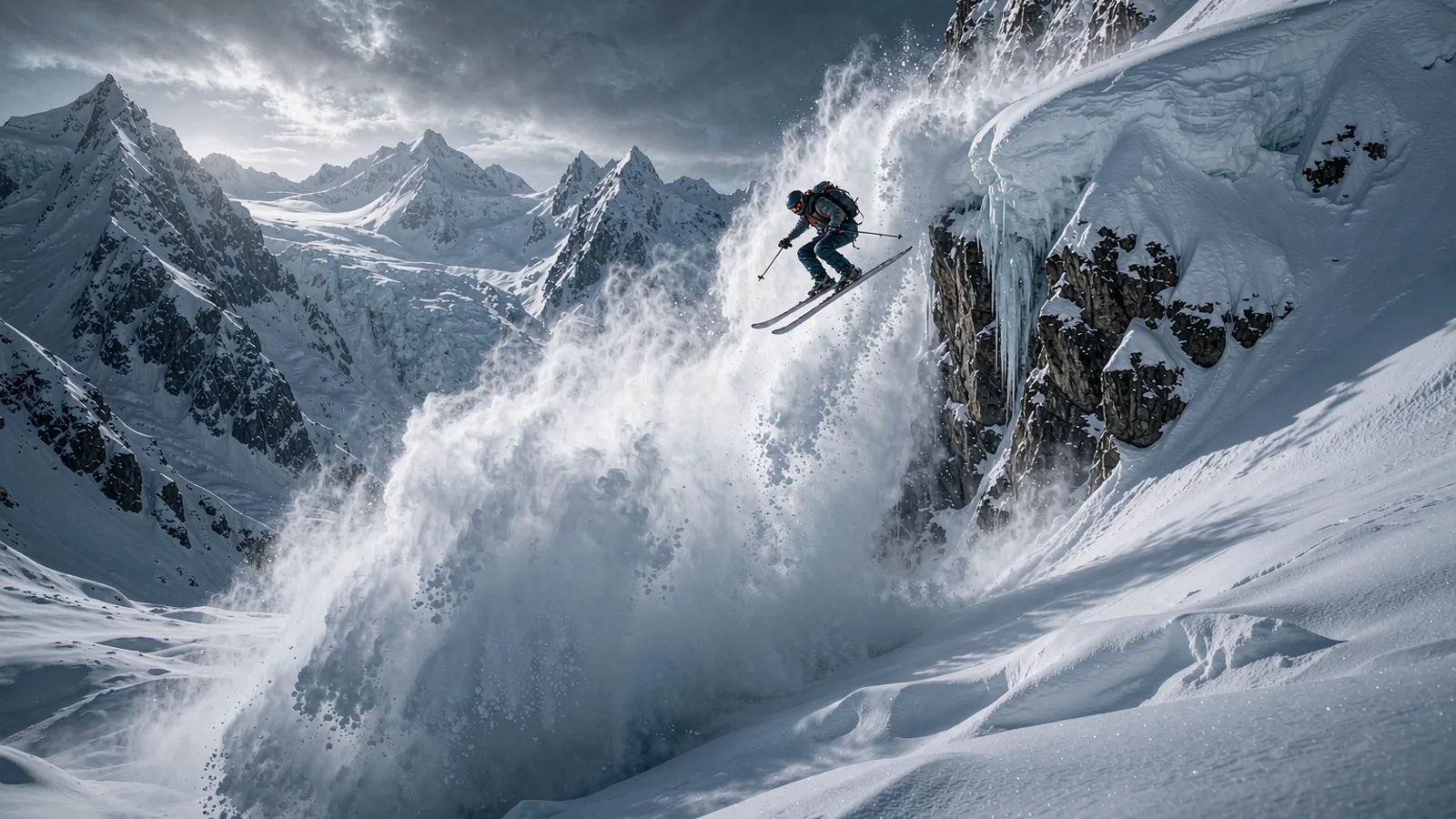
Freeride Skiing: Powder Skis and Variable Snow
Understand freeride skiing through ski width, rocker and changing snow. Compare equipment trade-offs and check what off-piste management actually covers.
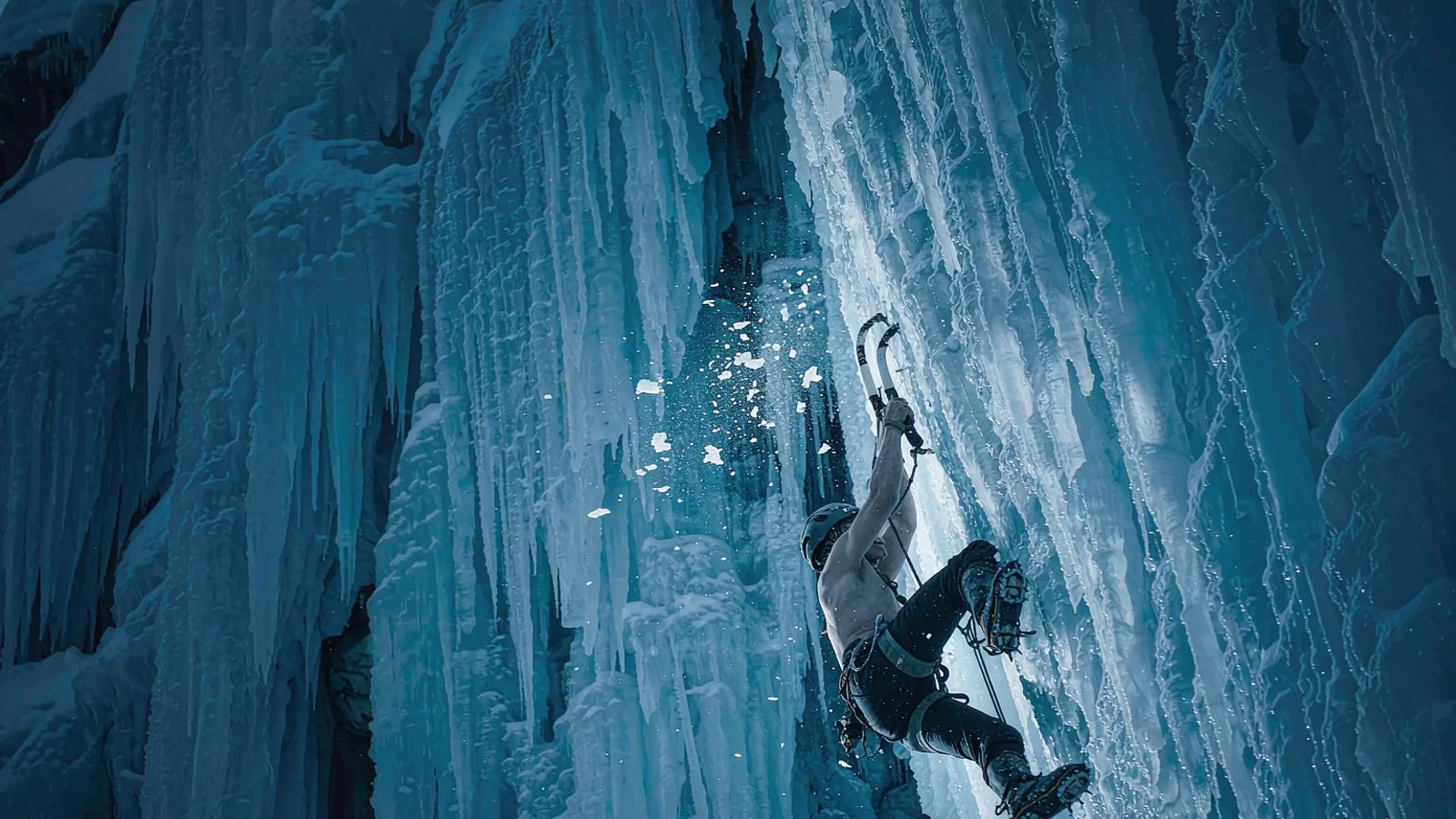
Ice Climbing Equipment: Tools, Crampons and Protection
Understand ice-climbing tools, boot-crampon compatibility and protection roles. Compare equipment questions without treating ice colour as a strength test.
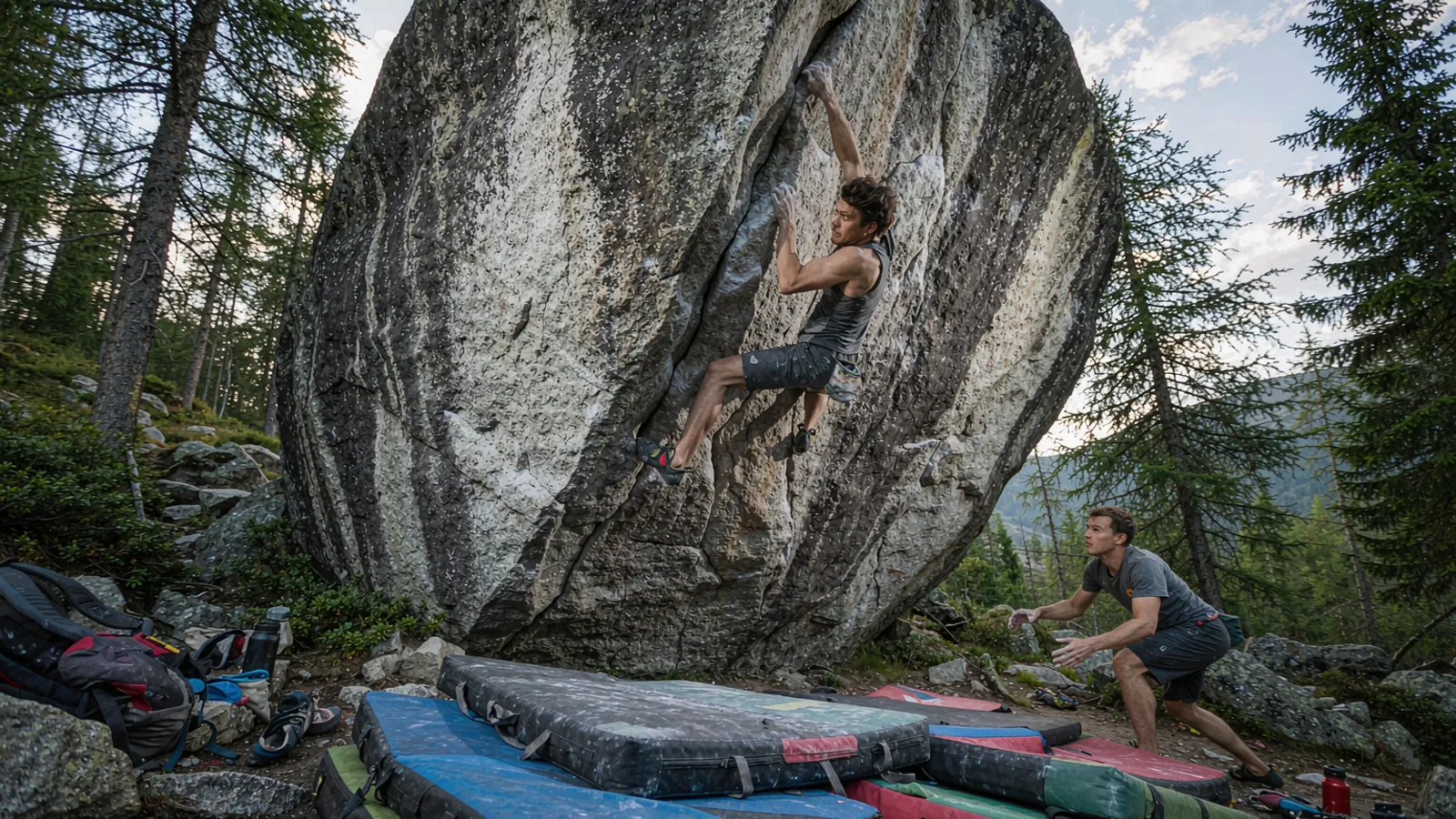
Outdoor Bouldering Technique: Footwork and Body Position
Understand outdoor bouldering footwork, edging, smearing and body position. Connect movement choices with landing, top-out and descent assessment.
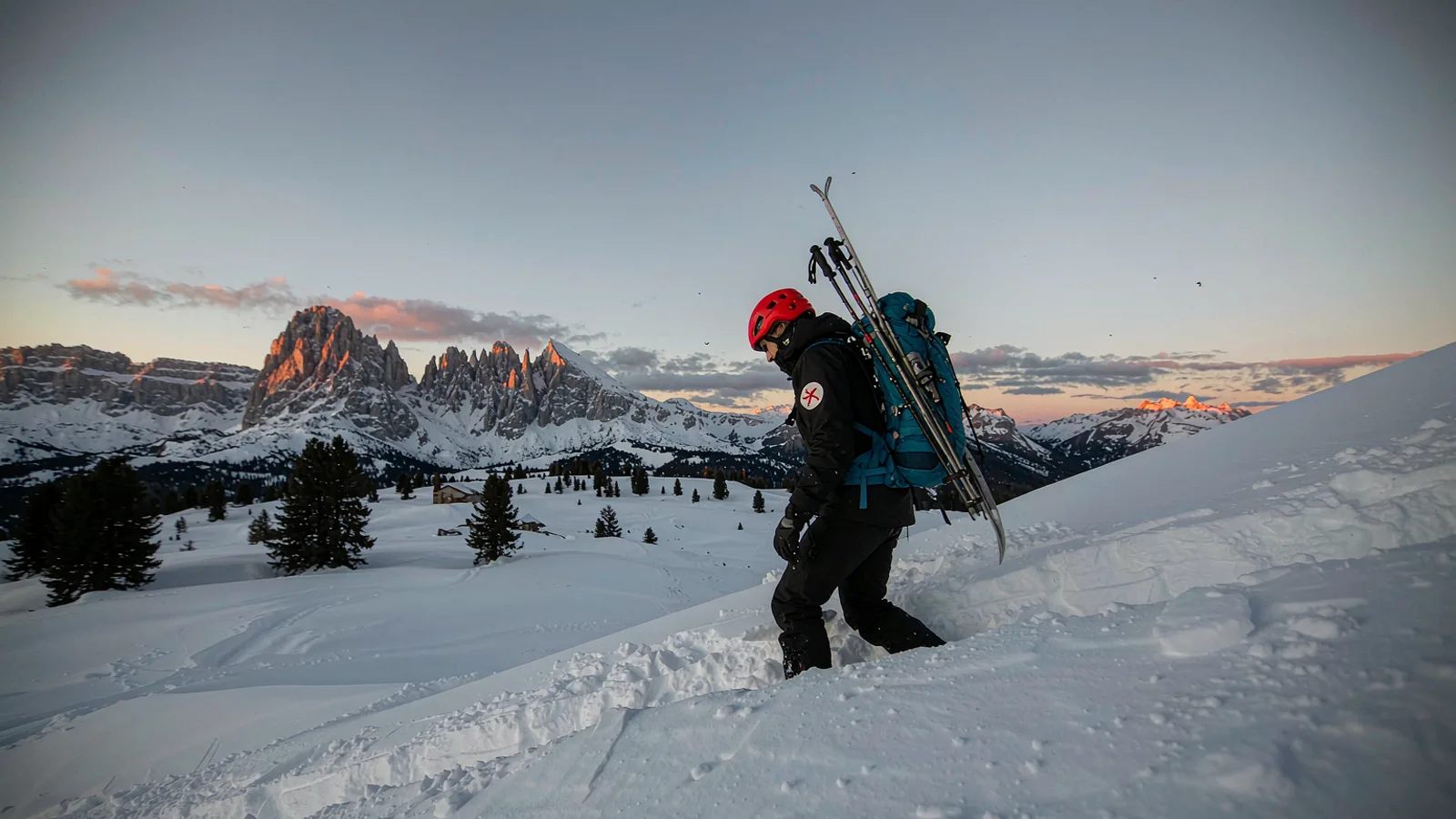
Ski Touring vs Skimo: Skins, Gear and Transitions
Compare ski touring, ski mountaineering and skimo racing. Understand climbing skins, boot and binding modes, and how to organise a transition.