
Urban & Gravity
Understand wheels, contact, shared-space etiquette and controlled movement before planning a street or park session.
BMX, inline skating, longboarding and parkour share an interest in movement, but their equipment and stopping methods differ. Use each guide for its stated activity rather than transferring a technique between them because the terrain looks similar.
Start with a permitted space and dependable basic control. A feature is a whole route: approach, contact, exit and the people who may cross it. The learning guides explain mechanical ideas while the preparation guides help organise equipment and session questions.
A trick name or a wheel specification does not establish readiness. Choose an appropriate coached exercise, inspect the actual equipment and reassess after an impact or a change in the surface.
Put the guide to use
- BMX inspection log CSV worksheet
Record the component, a repeatable symptom and the follow-up so a mechanic can understand what changed.
Where to start
- Prepare the bike
Separate inspection from repair and identify the actual component instructions.
- Read the park
Find a suitable practice area and understand the traffic between features.
- Read a BMX geometry chart
Locate the references behind reach, stack and wheelbase before comparing frames.
All guides in this collection
Newest publications first. A revision keeps the article's original publication date.
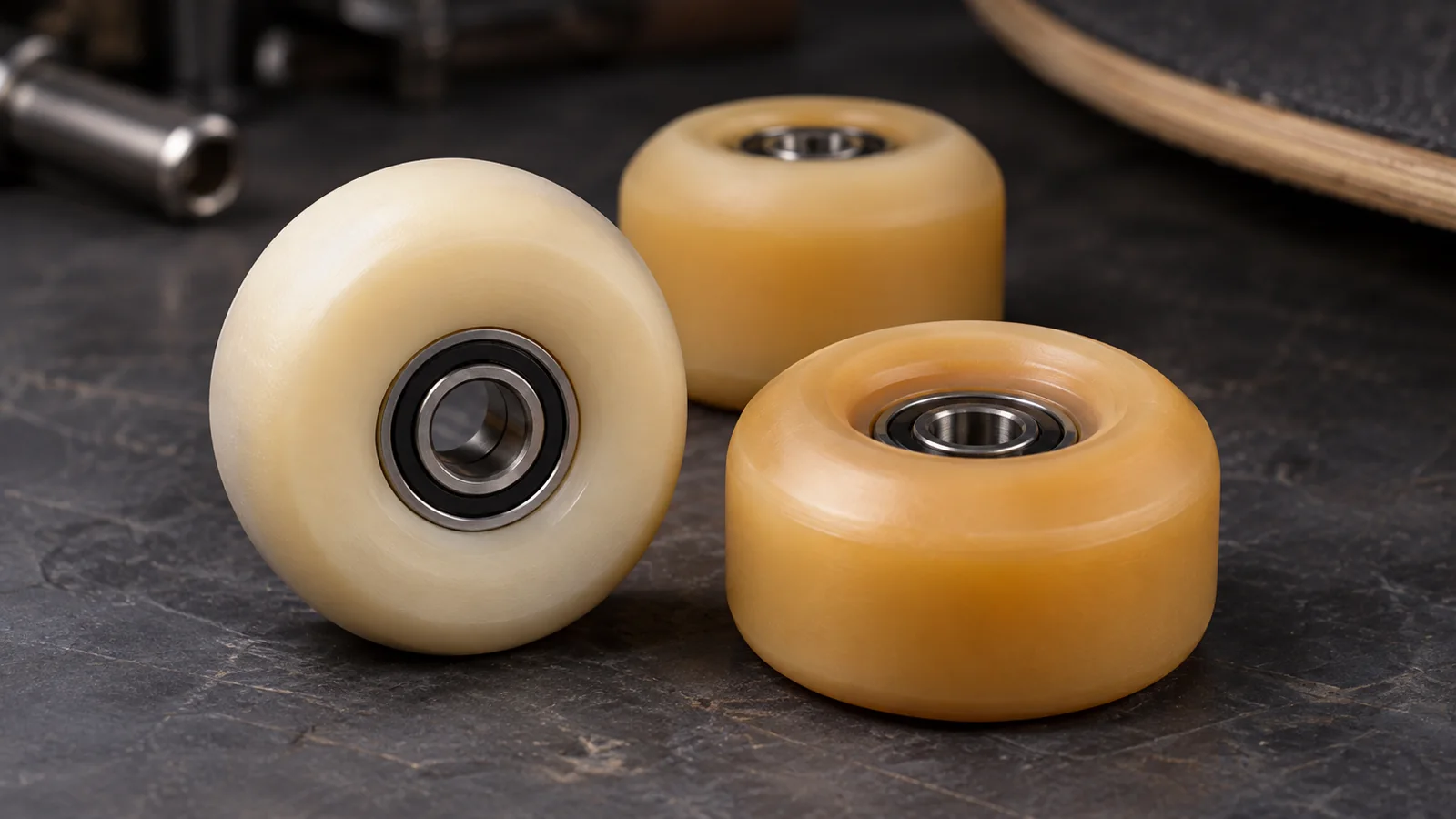
Skateboard Wheels: Diameter, Durometer and Contact Patch
Compare skateboard and longboard wheel diameter, durometer, contact-patch width and profile. Read labels accurately and check what each specification leaves out.
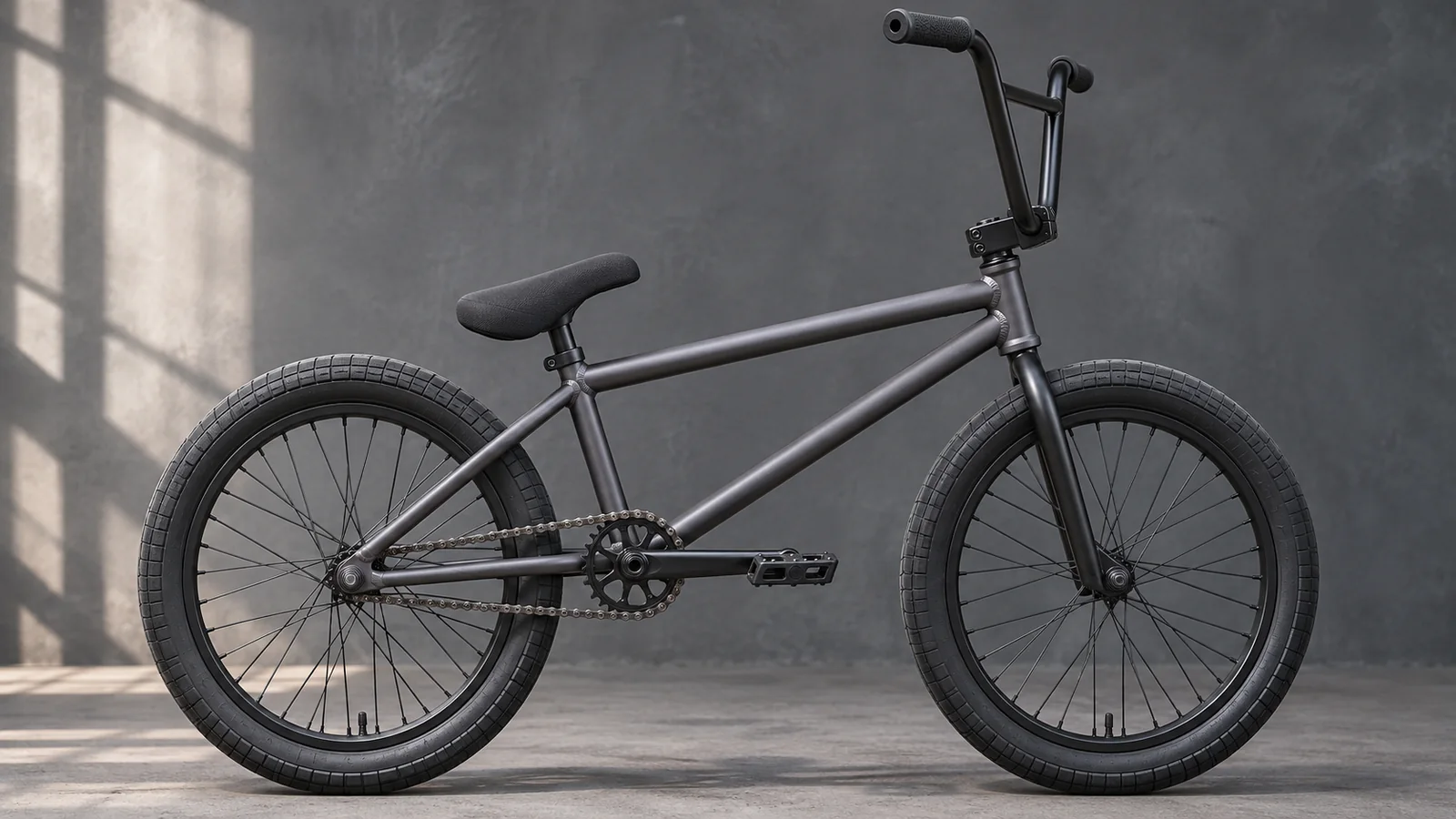
BMX Frame Geometry: Top Tube, Reach, Stack and Wheelbase
Read BMX geometry charts by separating top-tube length, frame reach, stack and wheelbase. Compare reference points, missing dimensions and complete-bike setup.
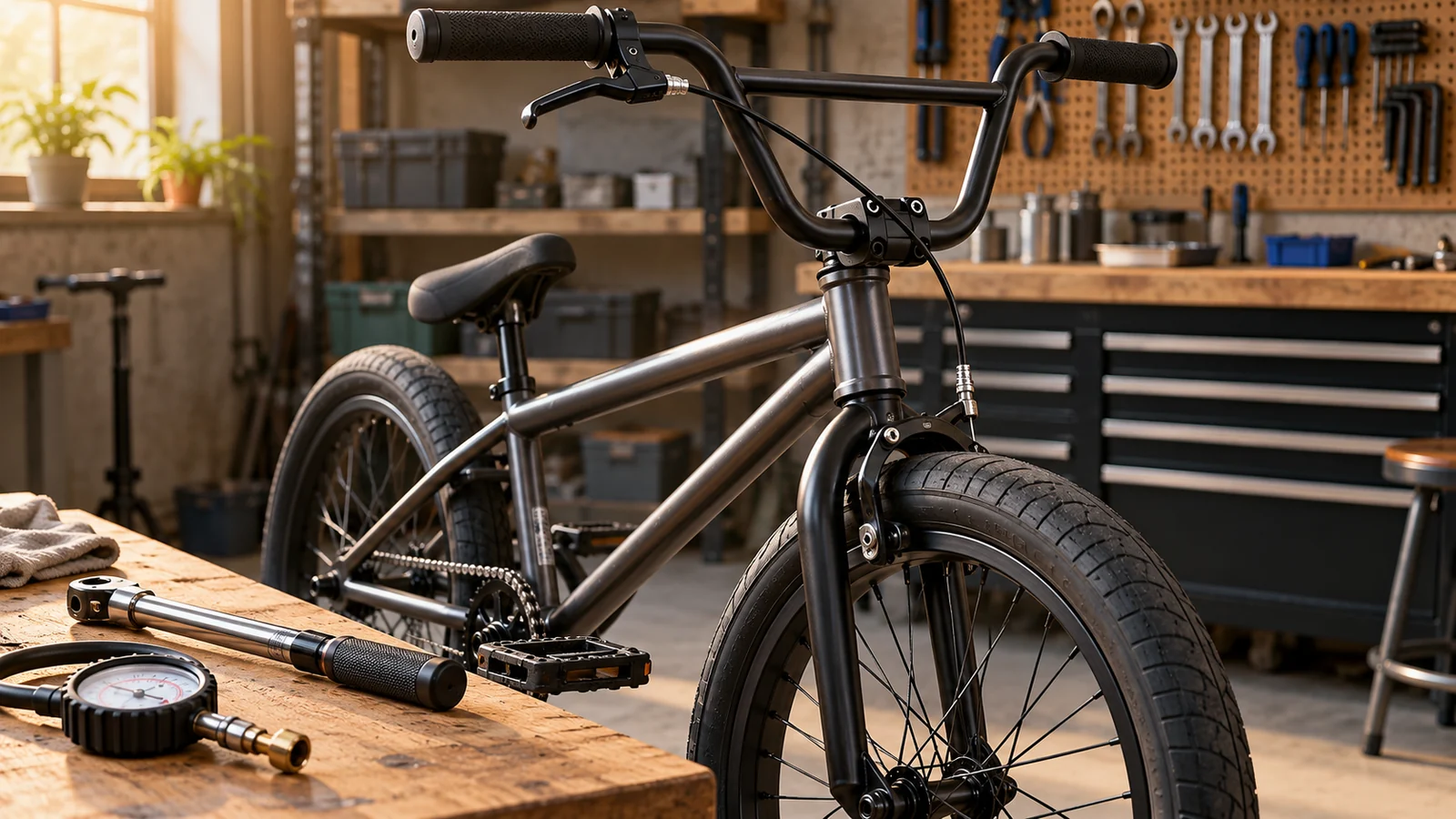
BMX Pre-Ride Check: Wheels, Brakes and Bike Inspection
Organise a BMX pre-ride check and write a useful fault report. Download a reusable inspection log with clearly labelled fictional examples for a mechanic.
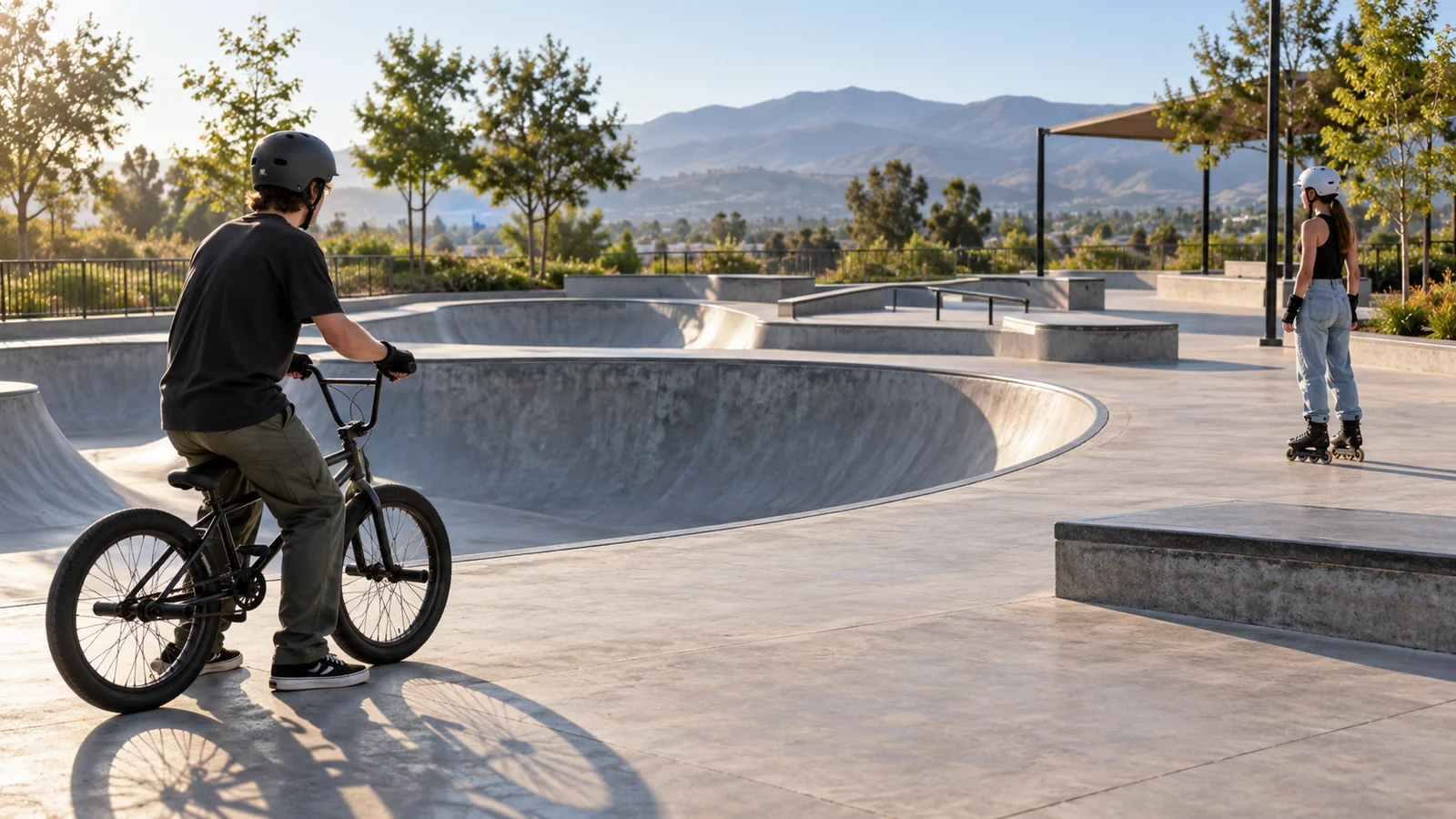
Skatepark Etiquette: Taking Turns and Planning Lines
Learn skatepark etiquette for queues, shared lines, blind bowls and filming. Use a practical session example to choose where to wait, ride and finish.
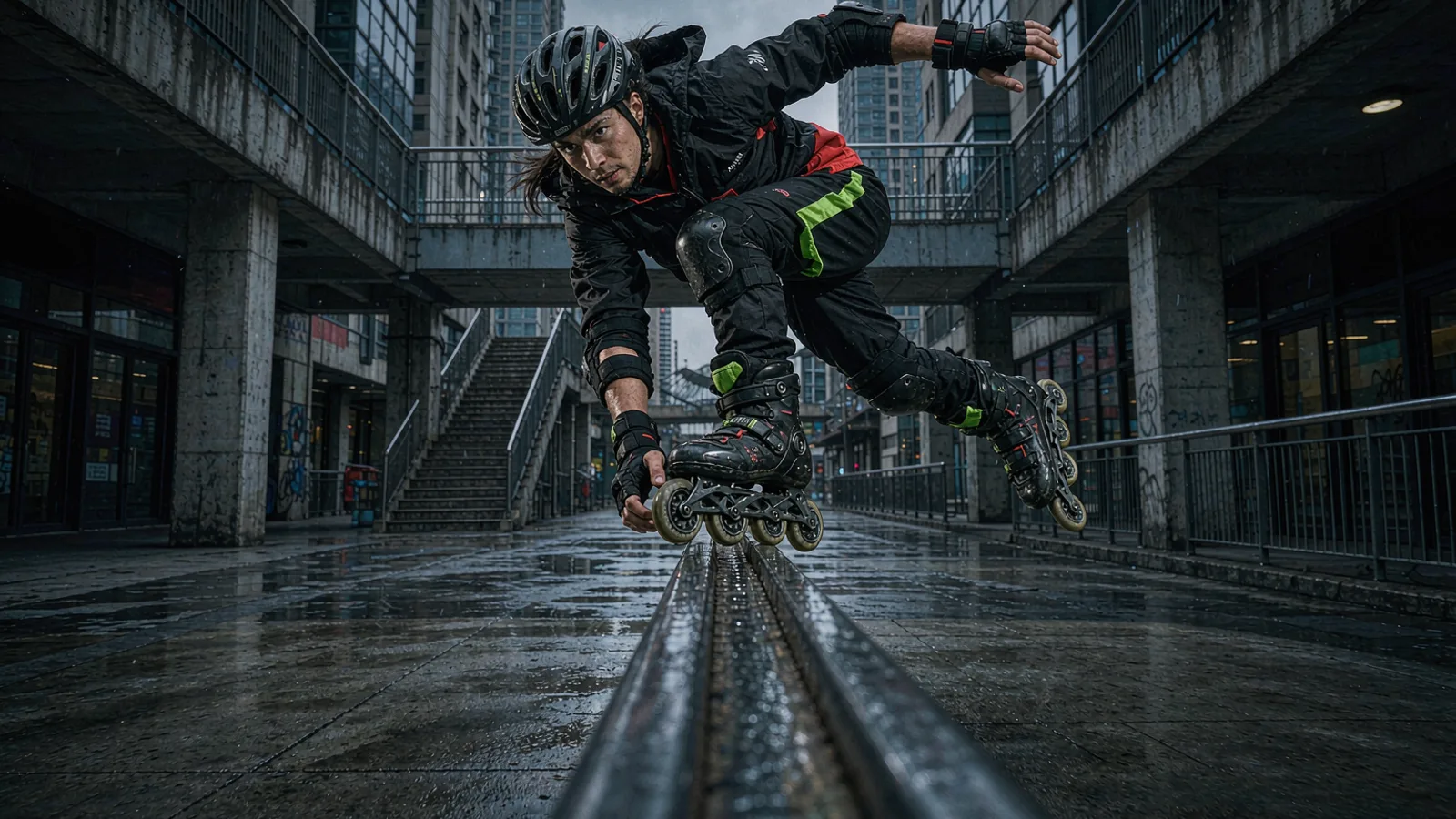
Aggressive Inline Skates: Flat vs Anti-Rocker Setups
Compare flat and anti-rocker aggressive skate setups, understand soul plates and H-blocks, and check frame compatibility before practising grinds.
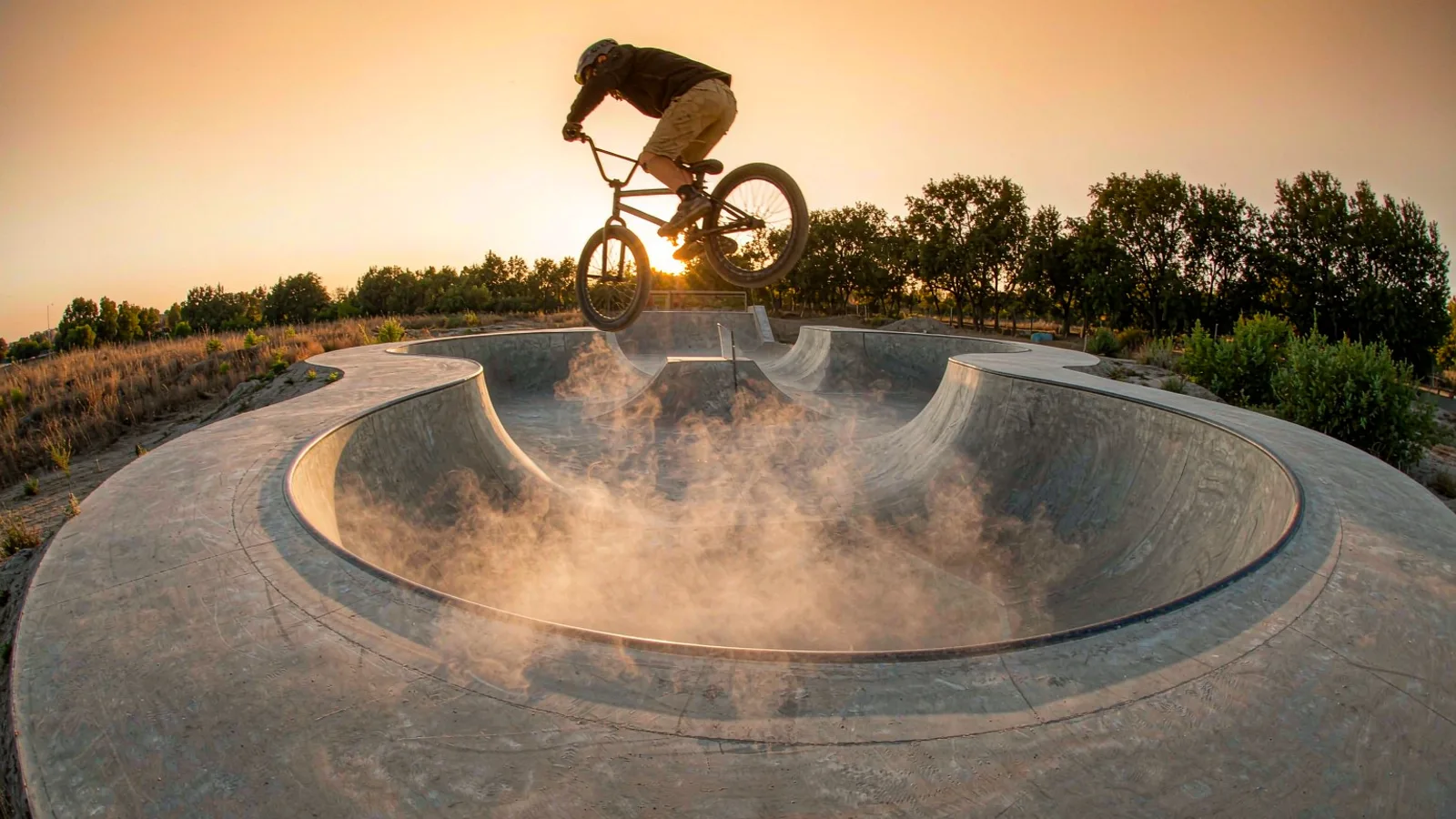
BMX Bowl Riding: How Pumping and Transitions Work
Understand BMX bowl pumping, transition shape and line choice. Compare banks, curved walls and coping before choosing a suitable coached session.
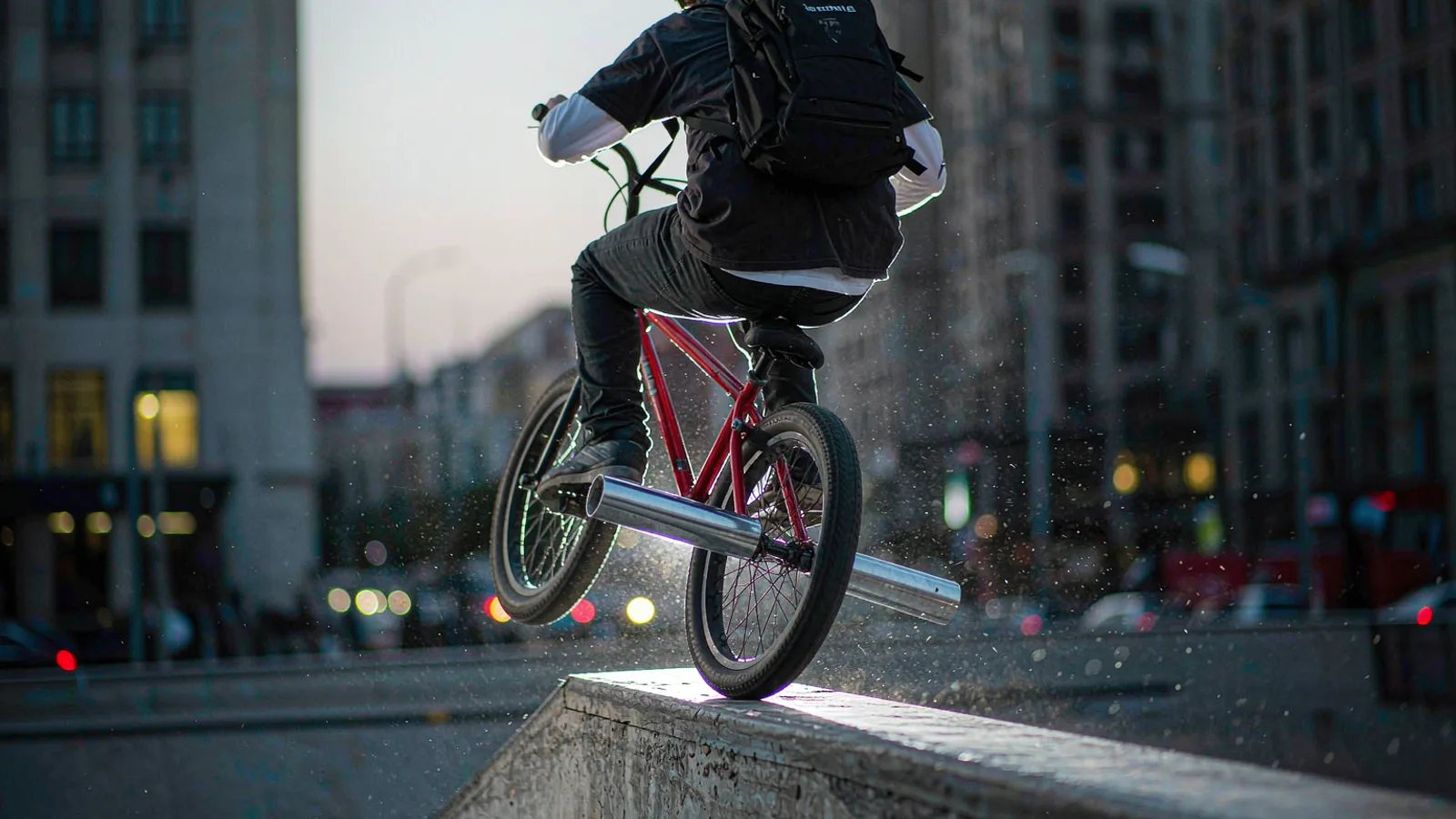
BMX Grinds Explained: Pegs, Contact and Compatibility
Understand BMX grind contacts, peg cores and sleeves, axle compatibility, and the approach and exit questions that define a complete street line.

Downhill Longboarding: Speed, Grip and Course Planning
Understand downhill longboarding speed, kinetic energy, aerodynamic drag and wheel grip, with a worked comparison and questions for a controlled course.
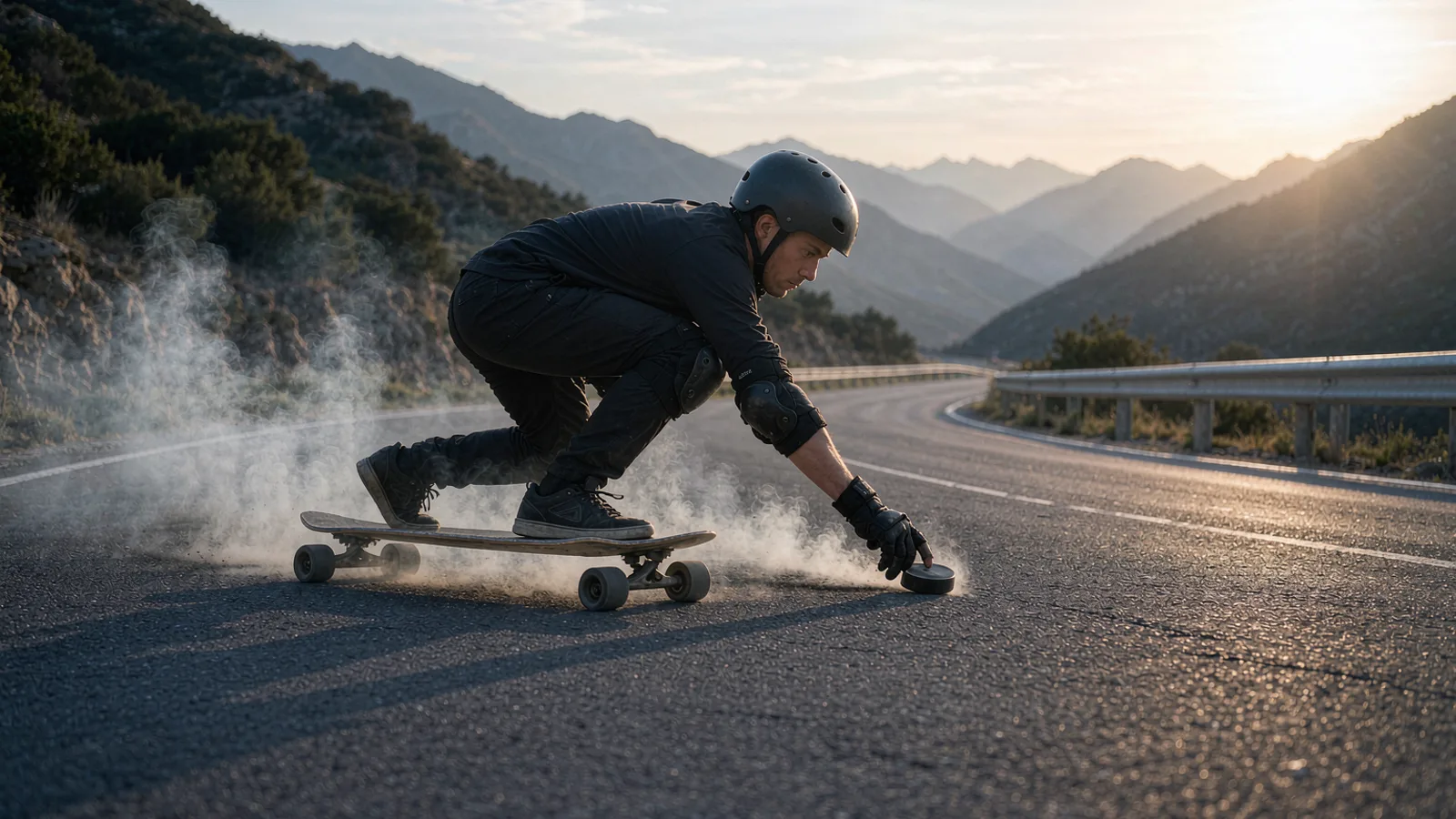
Longboard Freeride: Slide Wheels, Grip and Setup
Compare longboard freeride wheel lips, contact patches and durometer. Understand slide release, grip recovery and how to evaluate a complete setup.
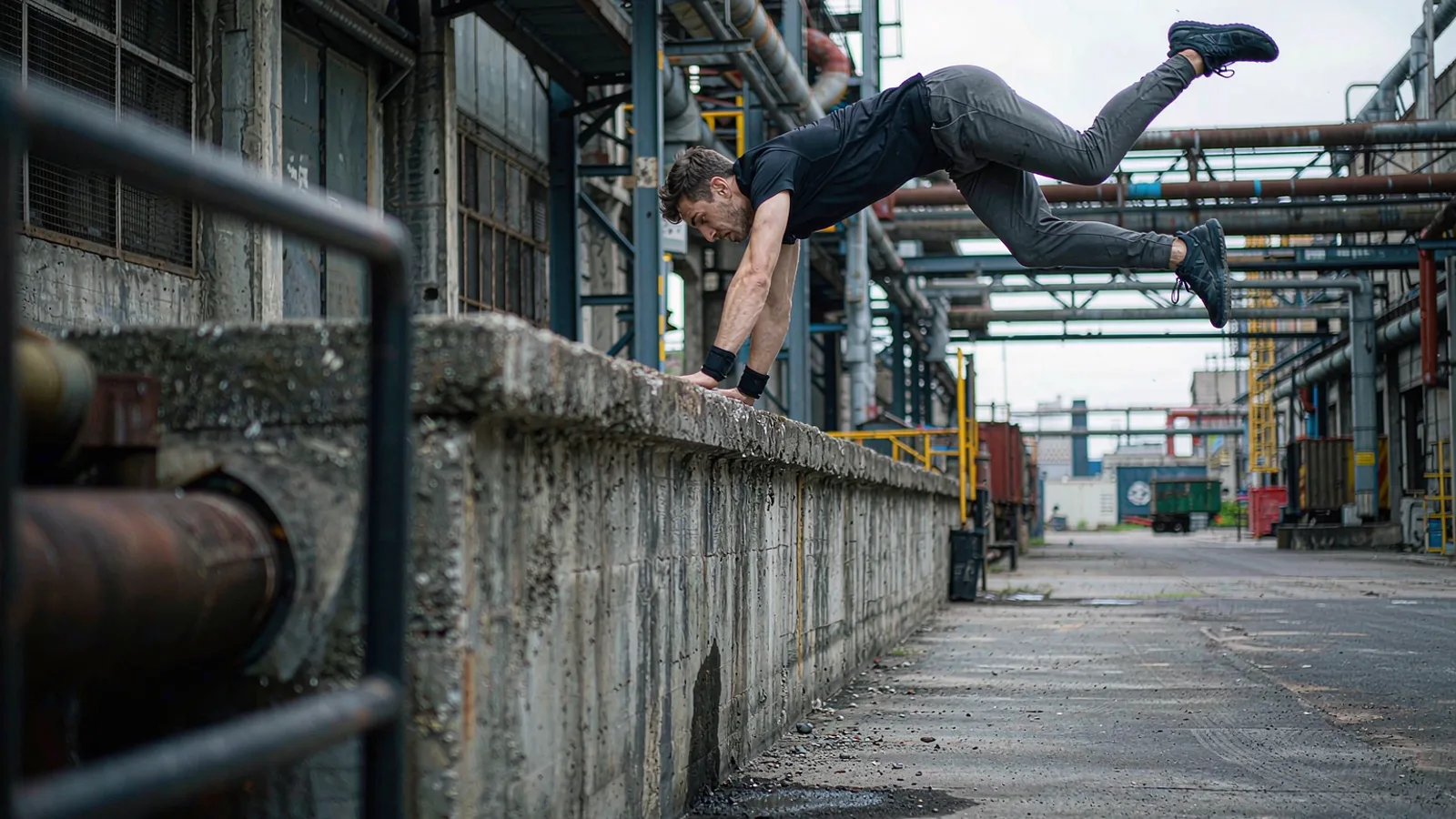
Parkour Vaults: Obstacle Assessment and Progression
Understand parkour vault planning through obstacle shape, hand support, approach and landing space. Compare training conditions before choosing a movement.