
The action sports field guide
Action sports,
explained.
From street sessions to mountain terrain, explore the gear, conditions and ideas behind BMX, snow sports, surfing and flight.
Illustrated guides. Clear sources.
Latest illustrated guides
Read a specification, separate two forecast variables or work through a movement model. Our newest guides pair each question with original diagrams and worked comparisons.
-
 Wind & Water
Tide Height vs Tidal Range vs Current: Read Each Value
Compare tide height, tidal range and current speed using datum and timing examples. Learn why high water cannot tell you when slack current occurs at a site.
-
 Alpine & Snow
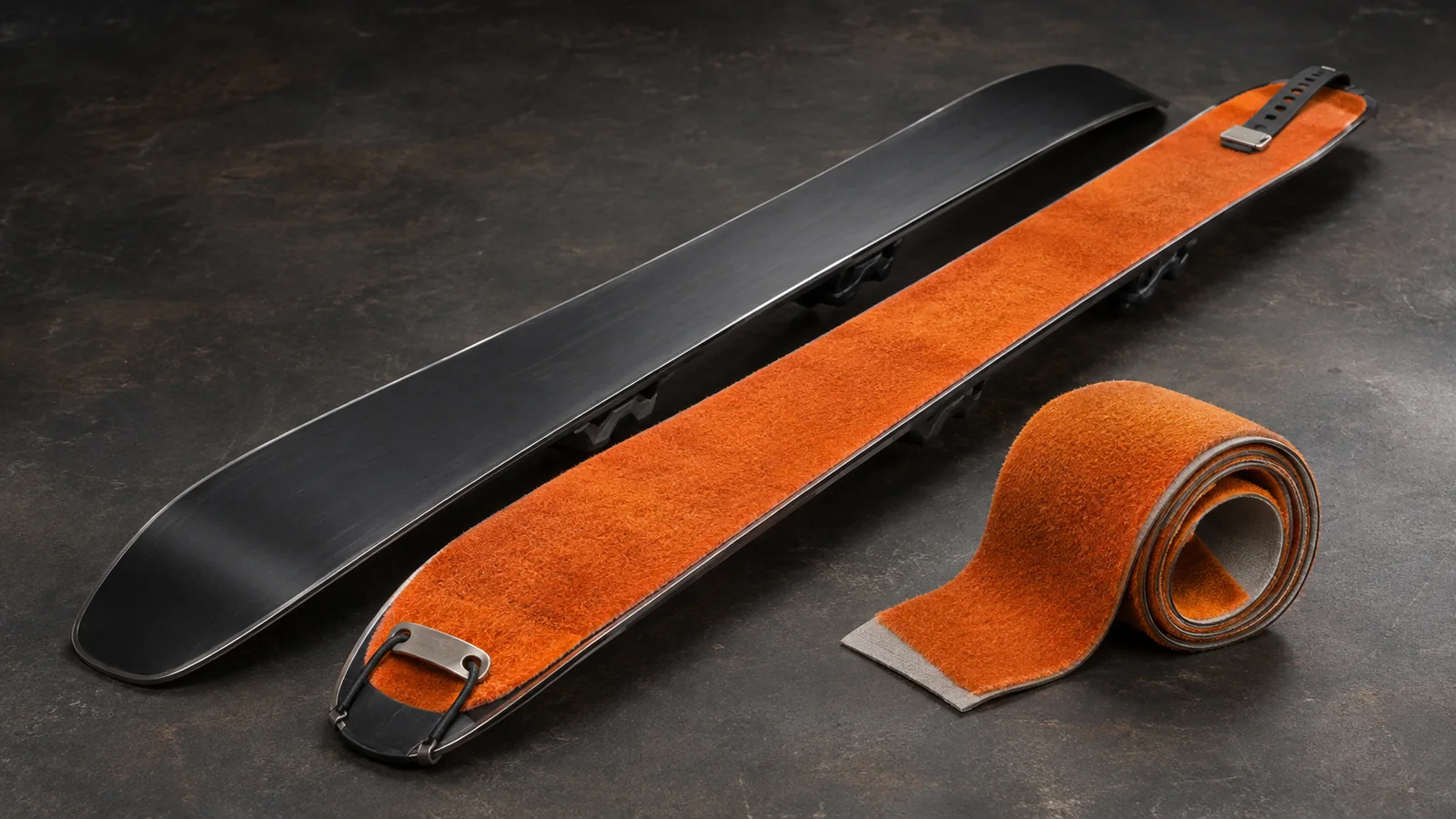
Ski Skin Sizing: Width, Length, Trimming and Compatibility
Size climbing skins for your exact ski: compare width, length, edge exposure and tip-tail attachments, then confirm compatibility before trimming or ordering.
-
 Alpine & Snow
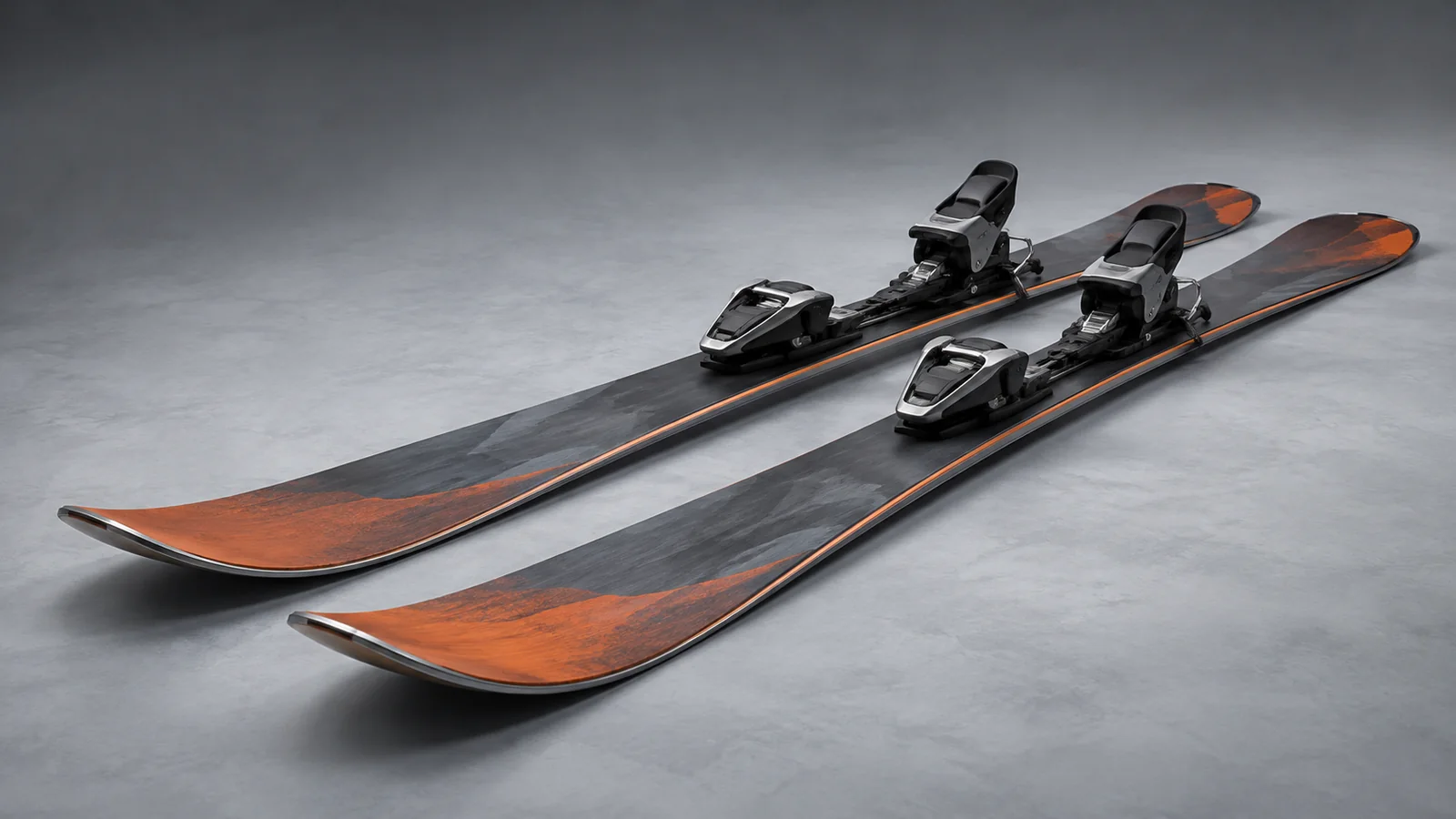
Ski Sidecut Radius, Rocker and Effective Edge Explained
Understand ski sidecut radius, camber, rocker and effective edge. Compare specification views and learn why a stated radius does not fix the size of each turn.
-
 Alpine & Snow
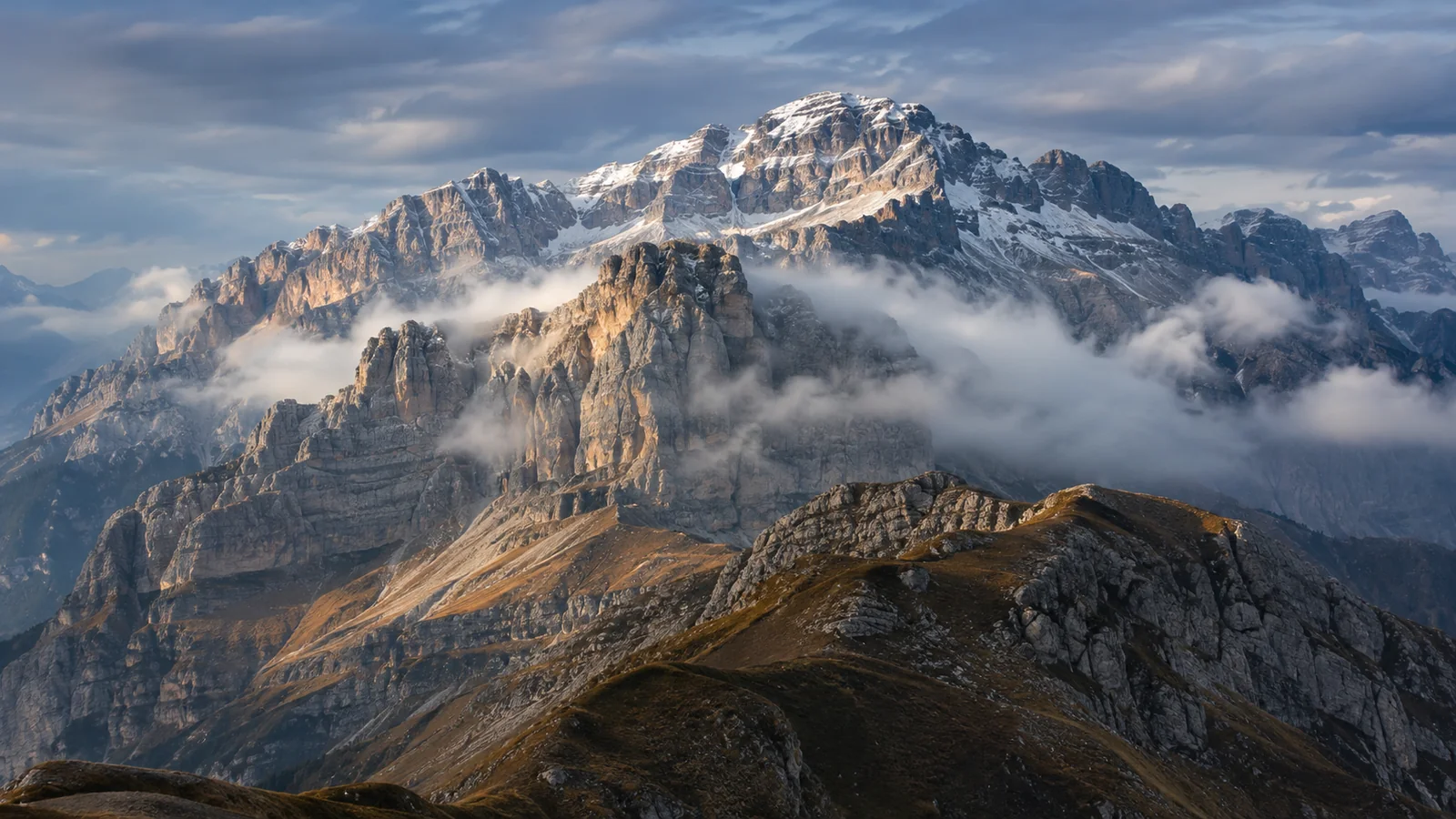
Mountain Forecasts: Freezing Level, Snow Level and Cloud Base
Learn what freezing level, snow level and cloud base mean in mountain forecasts, how height references differ and why existing snow cover is a separate record.
-
 Urban & Gravity
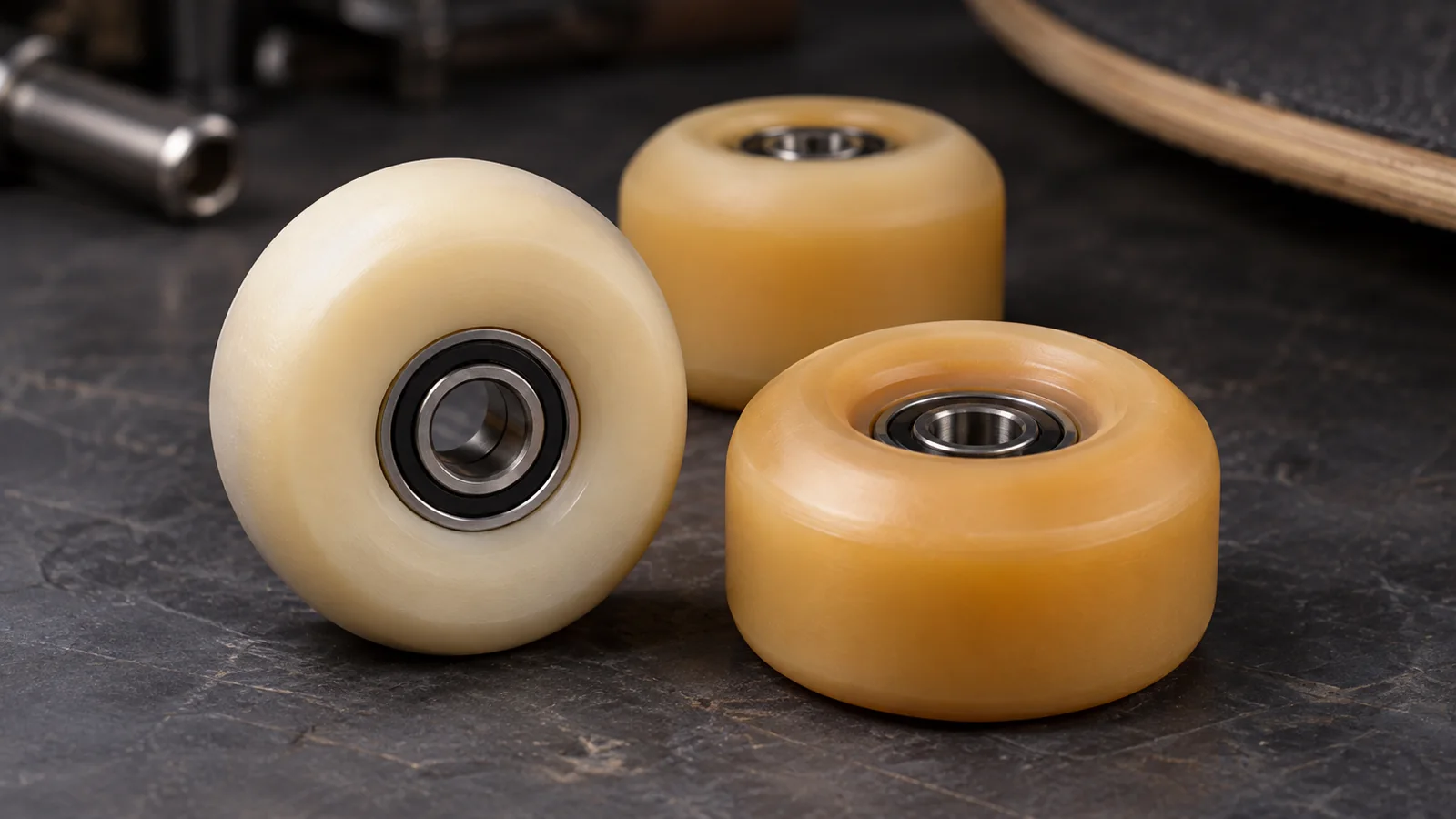
Skateboard Wheels: Diameter, Durometer and Contact Patch
Compare skateboard and longboard wheel diameter, durometer, contact-patch width and profile. Read labels accurately and check what each specification leaves out.
-
 Wind & Water
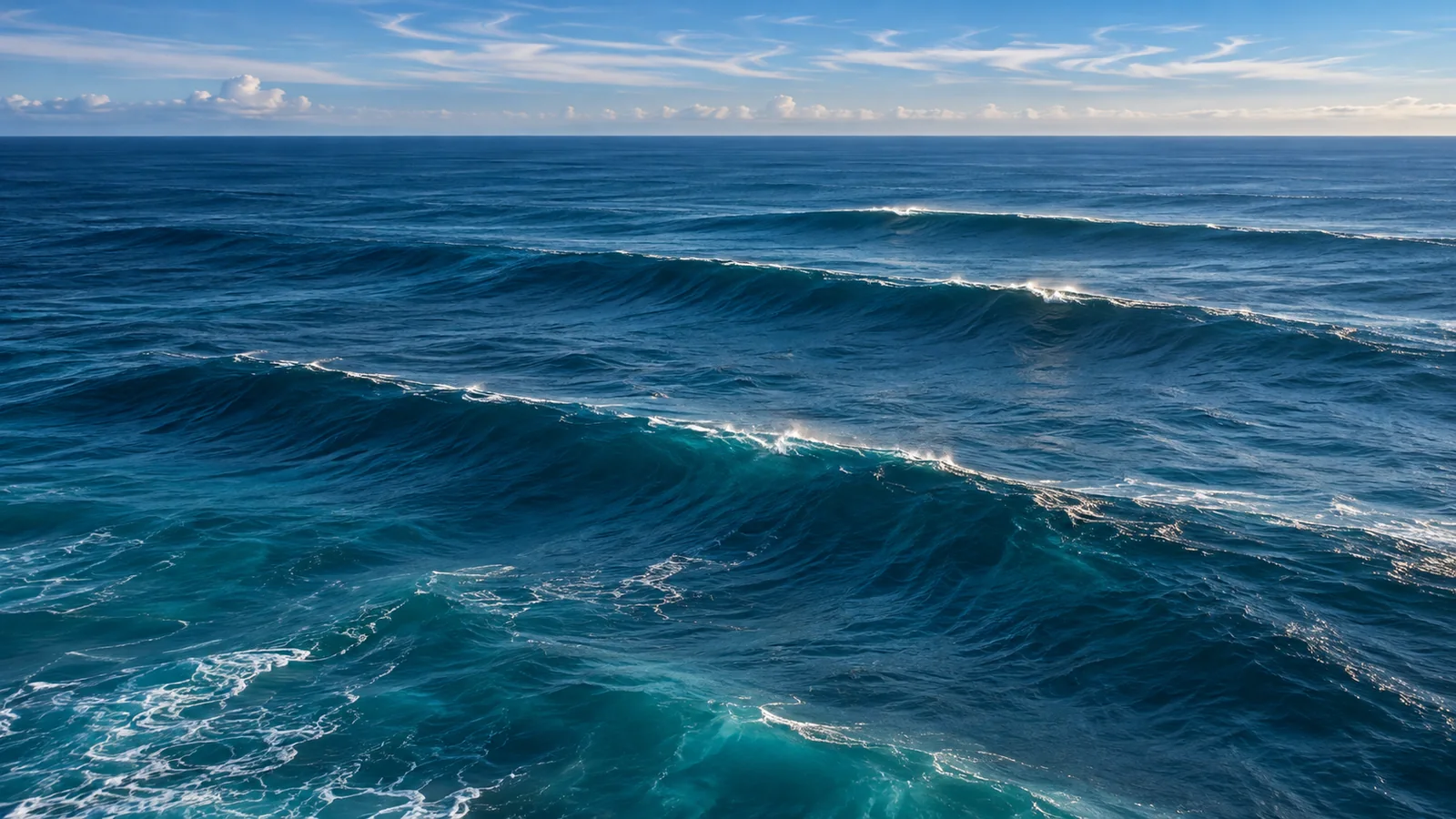
Wave Period and Wavelength: What Deep-Water Numbers Mean
Convert wave period to wavelength with the deep-water formula. Compare crest and group speeds, check the depth assumption and follow clear worked examples.
-
 Aerial & Elevation
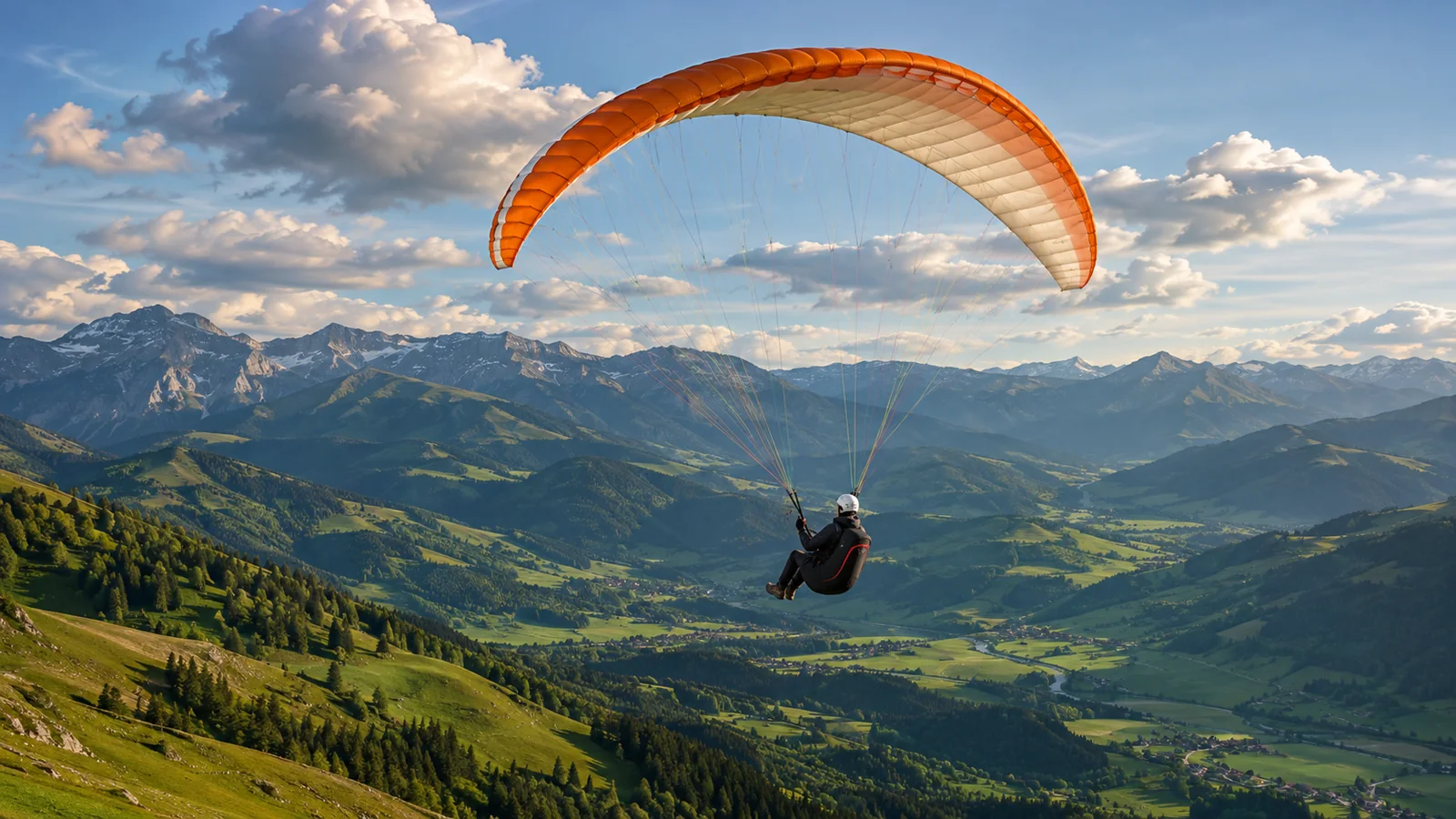
Paragliding Airspeed vs Groundspeed: How Wind Adds
Compare paragliding airspeed and groundspeed with headwind, tailwind and crosswind examples. Learn how velocity vectors differ from a GPS speed reading.
-
 Aerial & Elevation
Skydiving Altitude: MSL vs AGL and Density Altitude
Compare MSL, AGL and density altitude in skydiving. Work through ground-elevation examples and see why terrain and altitude references must stay together.
-
 Urban & Gravity
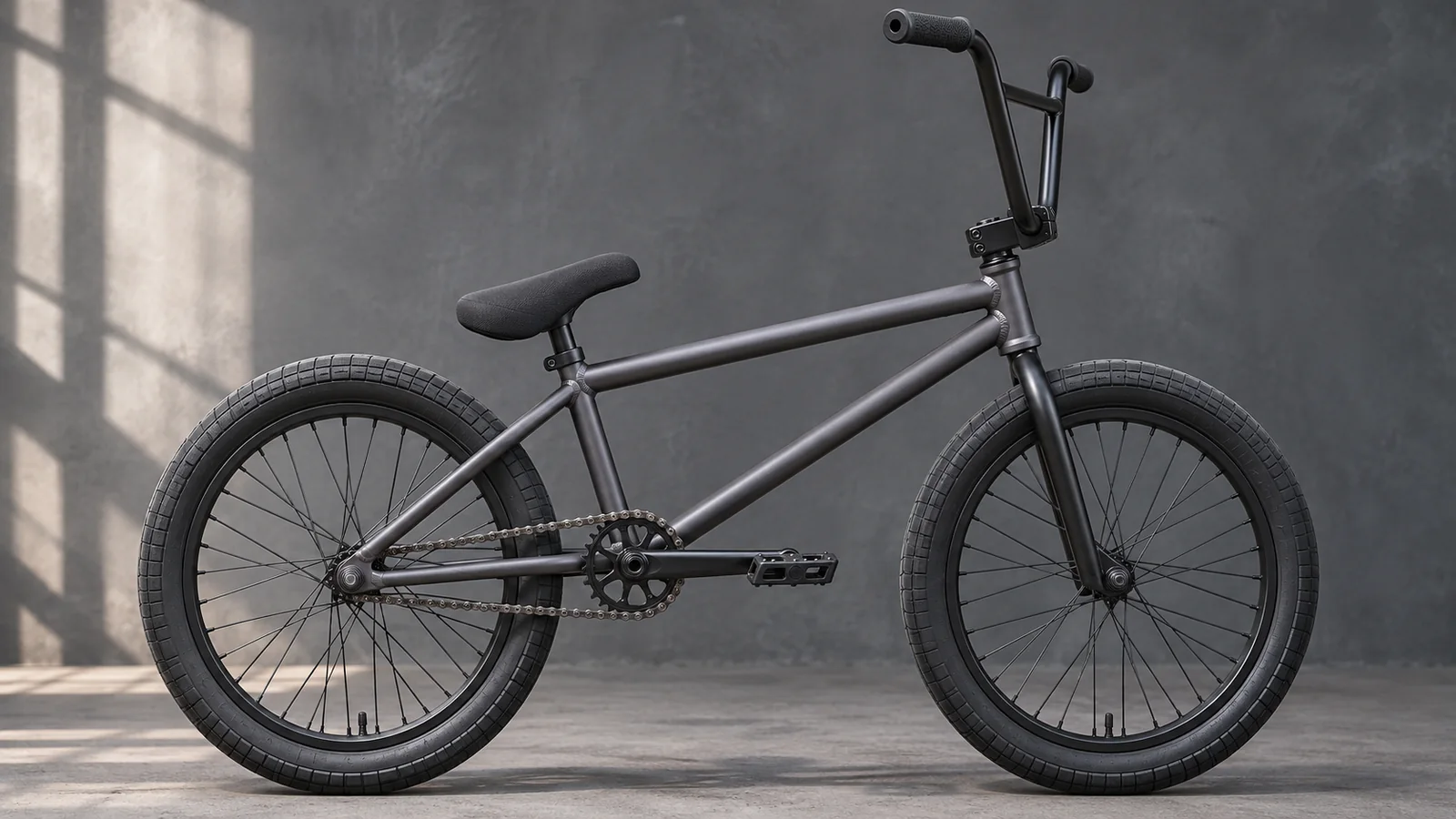
BMX Frame Geometry: Top Tube, Reach, Stack and Wheelbase
Read BMX geometry charts by separating top-tube length, frame reach, stack and wheelbase. Compare reference points, missing dimensions and complete-bike setup.
-
 Wind & Water
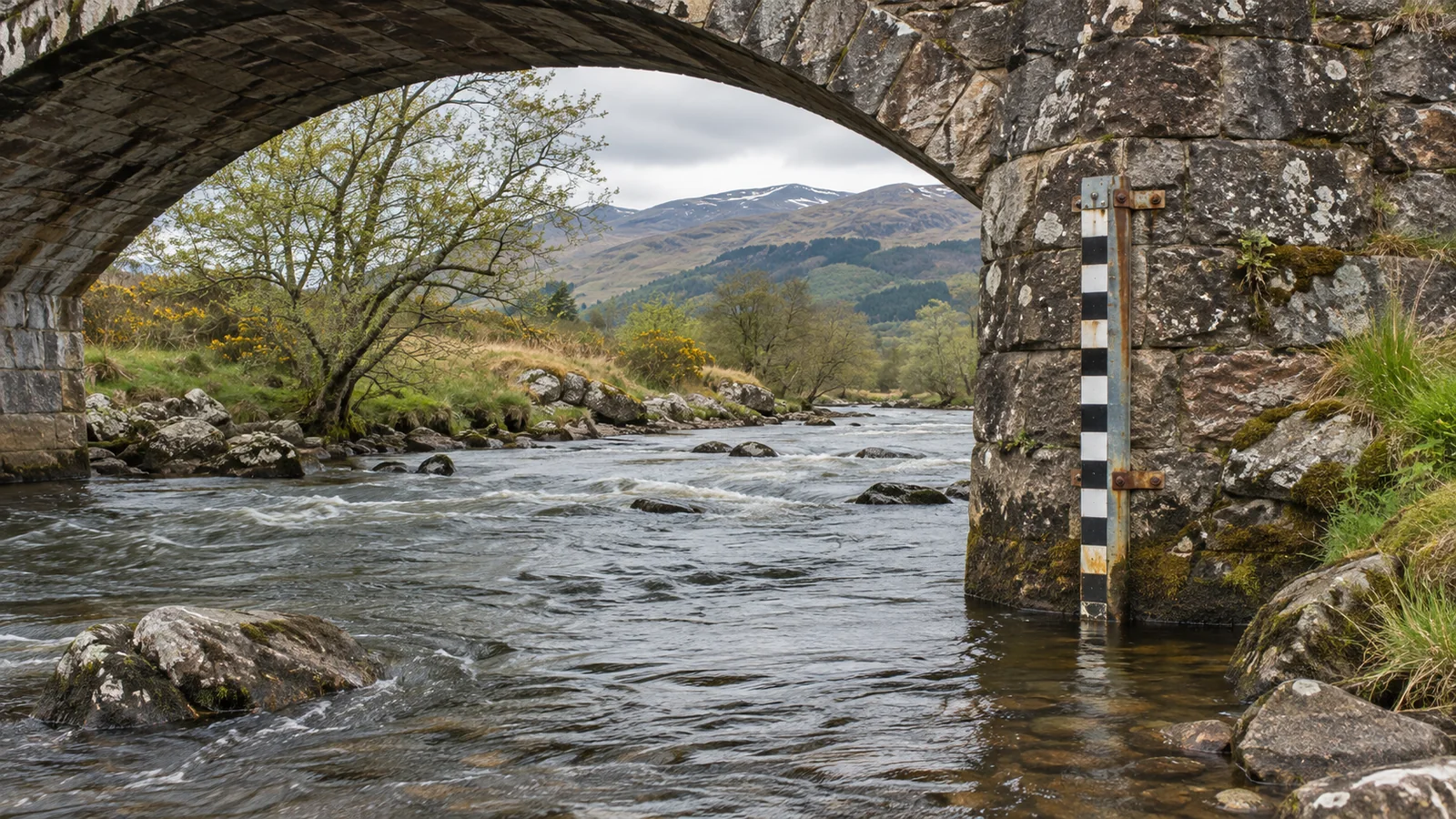
River Gauge Stage vs Discharge: Units and Rating Curves
Understand river stage versus discharge, gauge-height units and station rating curves. Use worked examples to keep datum, location and time with each reading.
Use the numbers. Keep the observations.
A forecast comparison needs its units and wave labels. A bike fault needs a specific symptom. A clothing change needs a record of when it helped. These resources turn the guides into something you can work with.
-
Interactive · CSV export
Swell Component Lab
Separate swell from wind waves, calculate combined significant height and export the component record.
Read the method and examples -
CSV worksheet
BMX inspection log
Record the component, a repeatable symptom and the follow-up so a mechanic can understand what changed.
Read the method and examples -
CSV worksheet
Layering field log
Compare movement, stops and the return. Record dampness, garment access and the next adjustment to test.
Read the method and examples
Start with a practical question
-
Urban & Gravity
Prepare the bikeSeparate inspection from repair and identify the actual component instructions.
-
Alpine & Snow
Understand the bulletinKeep region, validity, avalanche problems and terrain connected.
-
Wind & Water
Decode the surf forecastSeparate swell height and period from the waves breaking at a beach.
-
Aerial & Elevation
Organise a weather briefingConnect forecast coverage, wind variability and the actual site.
Guides explain concepts and preparation. Follow each page's source notes, current equipment instructions and suitable practical training. Learn how we handle sources and corrections in our editorial standards.
Explore four reading collections
Urban & Gravity
10 guidesHard surfaces, street terrain, gravity lines.
Understand wheels, contact, shared-space etiquette and controlled movement before planning a street or park session.
Alpine & Snow
12 guidesAltitude, powder, rock and ice.
Prepare for changing mountain conditions, snowpack questions, outdoor climbing and the equipment used on the approach.
Wind & Water
12 guidesWaves, wind windows, current.
Read water and wind information, distinguish the roles of different rigs, and plan with the actual venue and equipment.
Aerial & Elevation
10 guidesThermals, cliffs, open spans.
Understand flight concepts, weather briefings and specialist training boundaries for aerial sports and highlining.
Work through a specific question
Start with forecast interpretation, an inspection record or an equipment diagram. Each guide keeps its source material separate from the editorial examples.
How to Read a Surf Forecast: Height, Period and Direction
Decode surf forecast labels with worked component comparisons. Separate combined seas, swell period and direction, then keep a record using the Swell Component Lab.
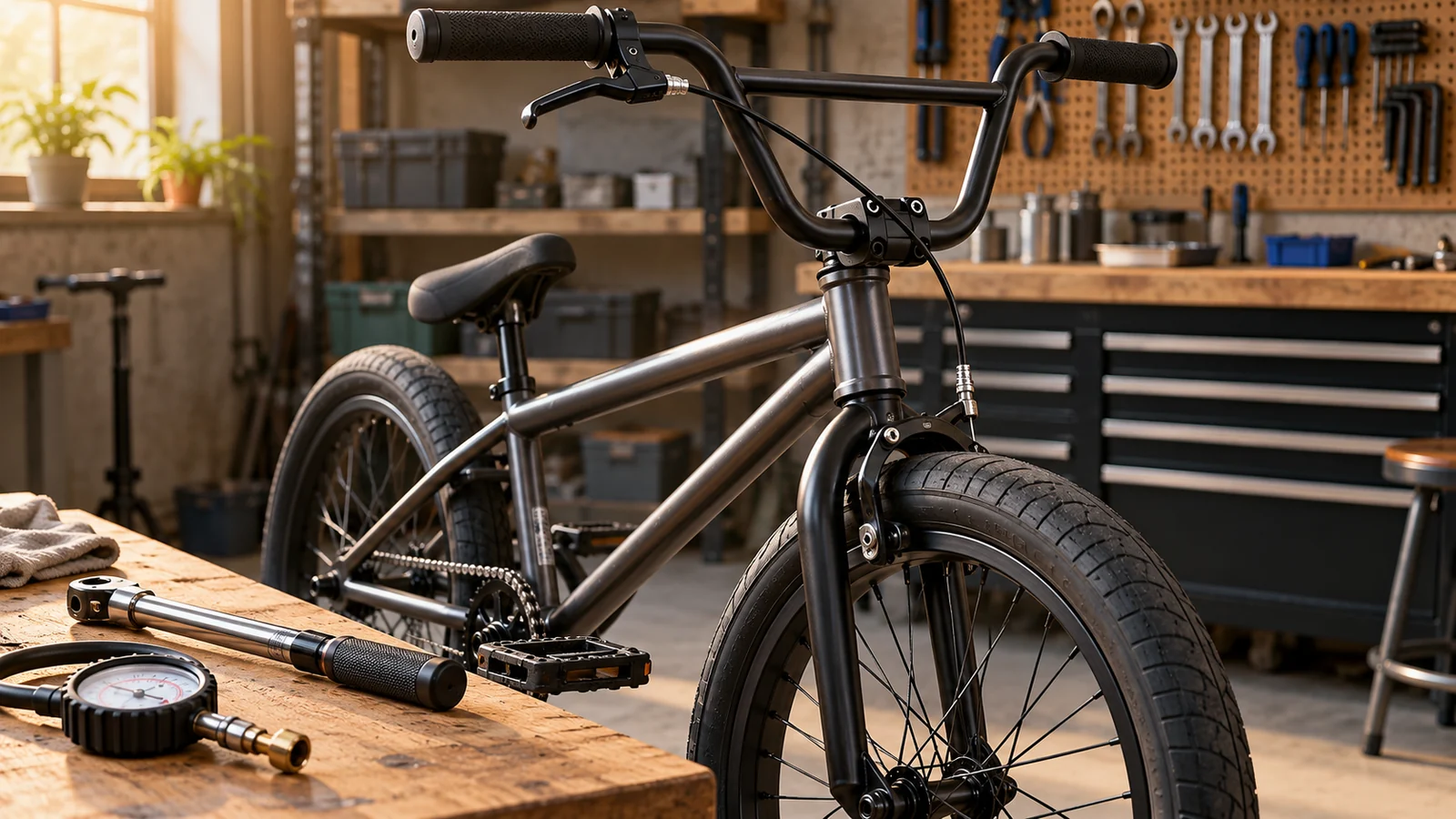
BMX Pre-Ride Check: Wheels, Brakes and Bike Inspection
Organise a BMX pre-ride check and write a useful fault report. Download a reusable inspection log with clearly labelled fictional examples for a mechanic.
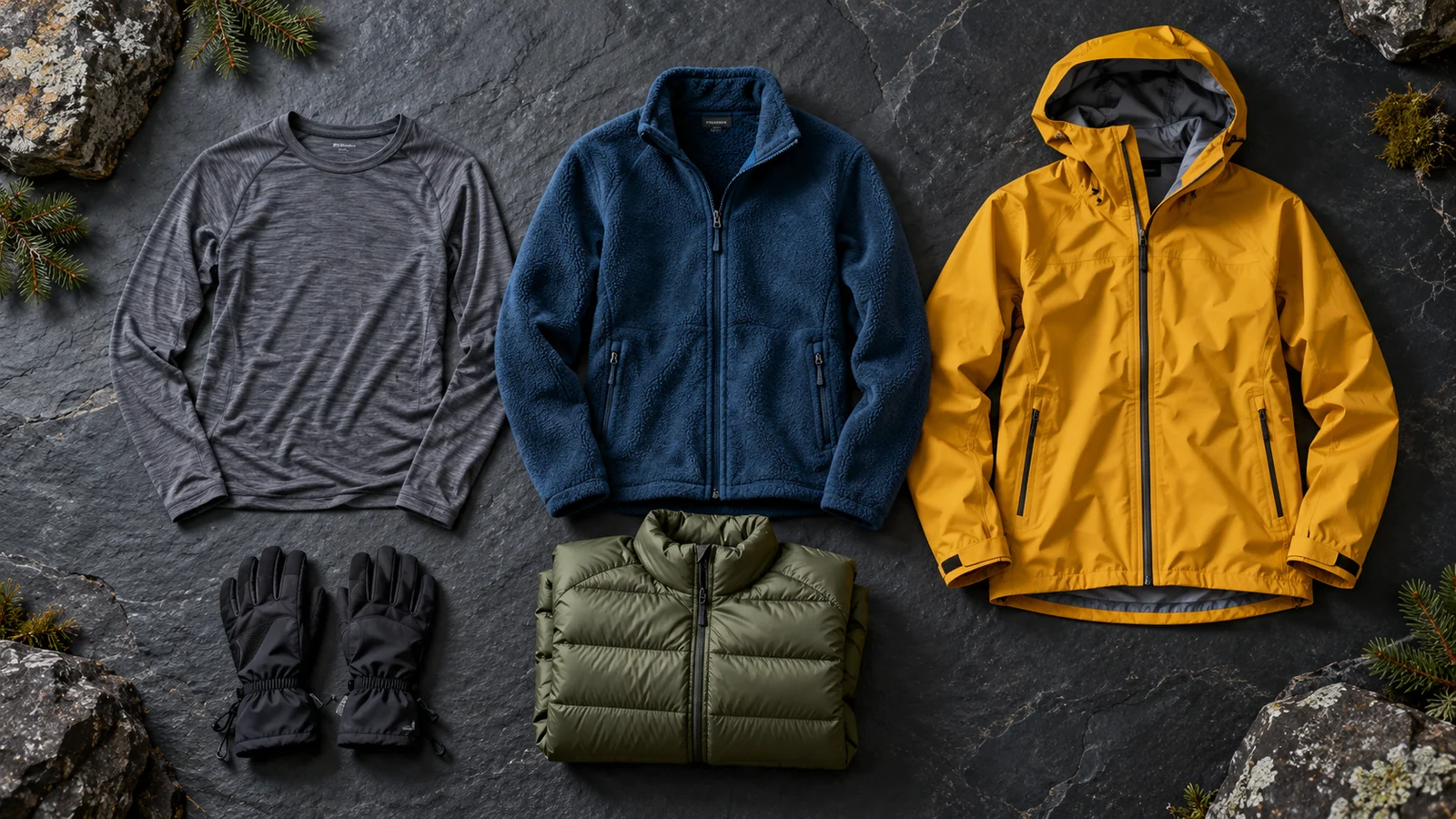
Mountain Layering System: Base, Midlayer and Shell
Plan clothing for ascent, stops and the return. Use a downloadable layering field log and a fictional worked record to separate garment, fit and packing problems.
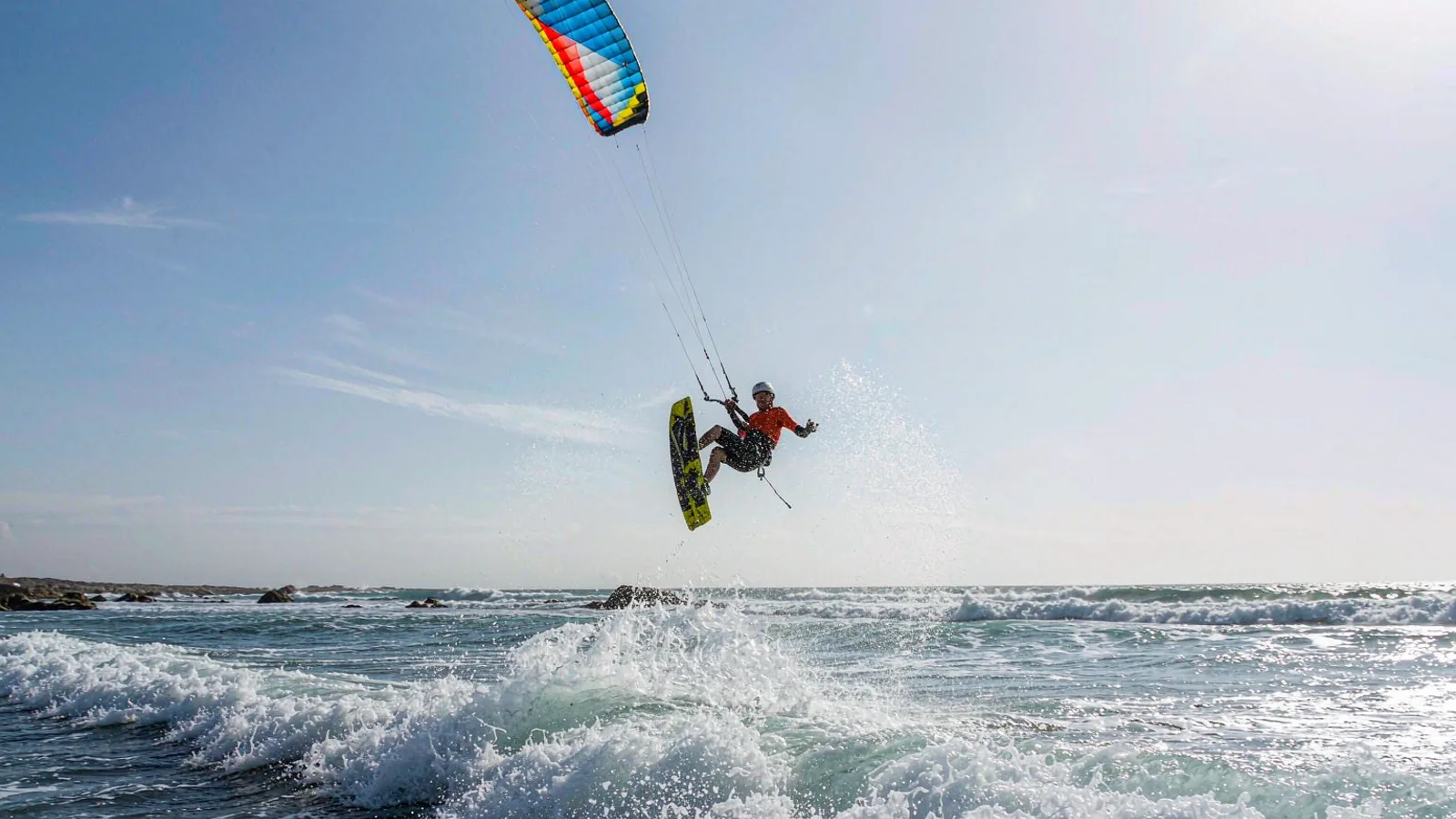
Kitesurfing Wind Window: Power Zones and Apparent Wind
Understand the kitesurfing wind window, kite-position terminology and apparent wind. Learn what a diagram or wind-range chart leaves out of a real session.
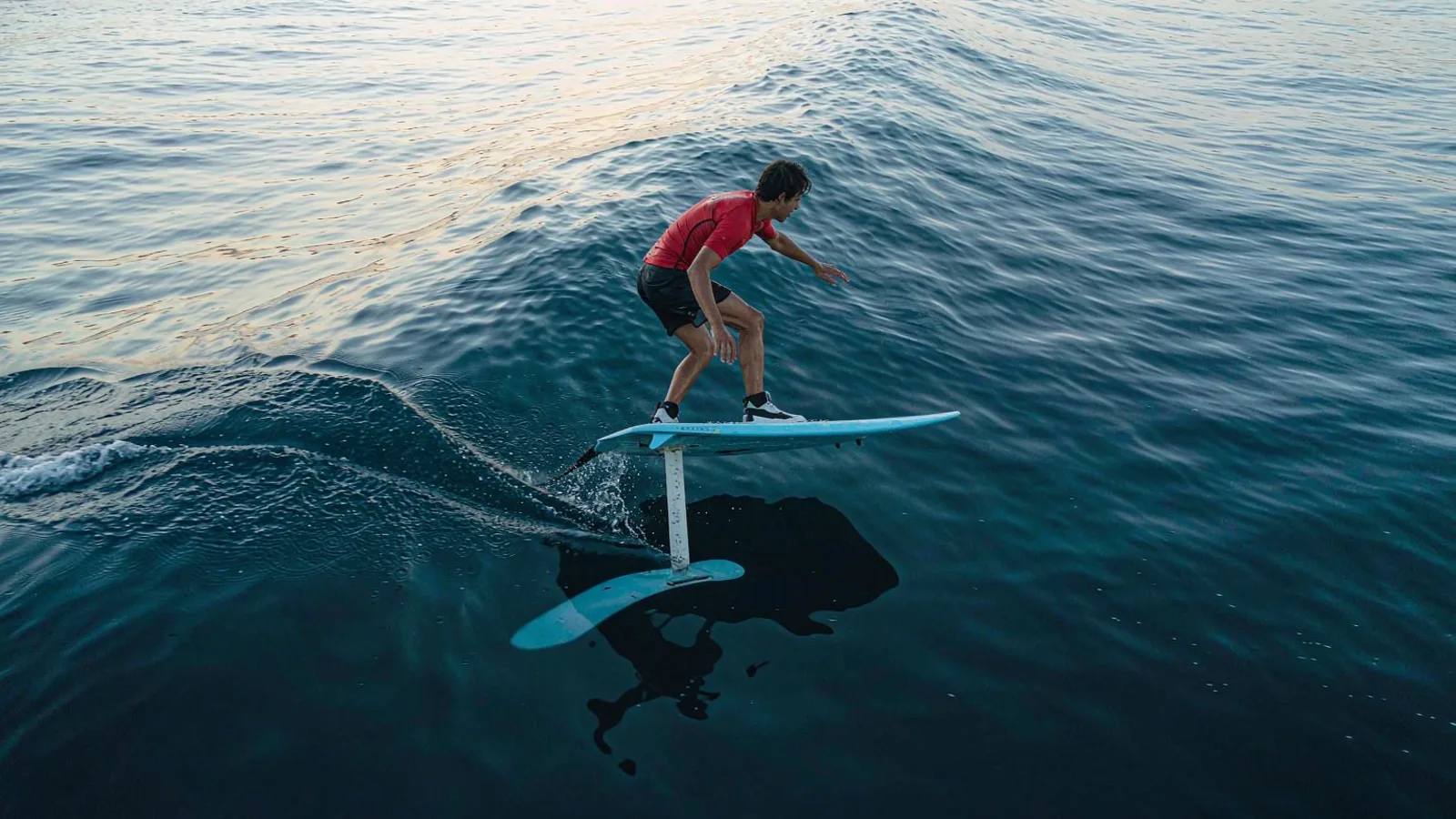
Hydrofoil Surfing Explained: Lift, Pitch and Foil Parts
Learn how a surf hydrofoil generates lift, what the mast and wings do, and why pitch, water flow and the complete setup matter more than area alone.
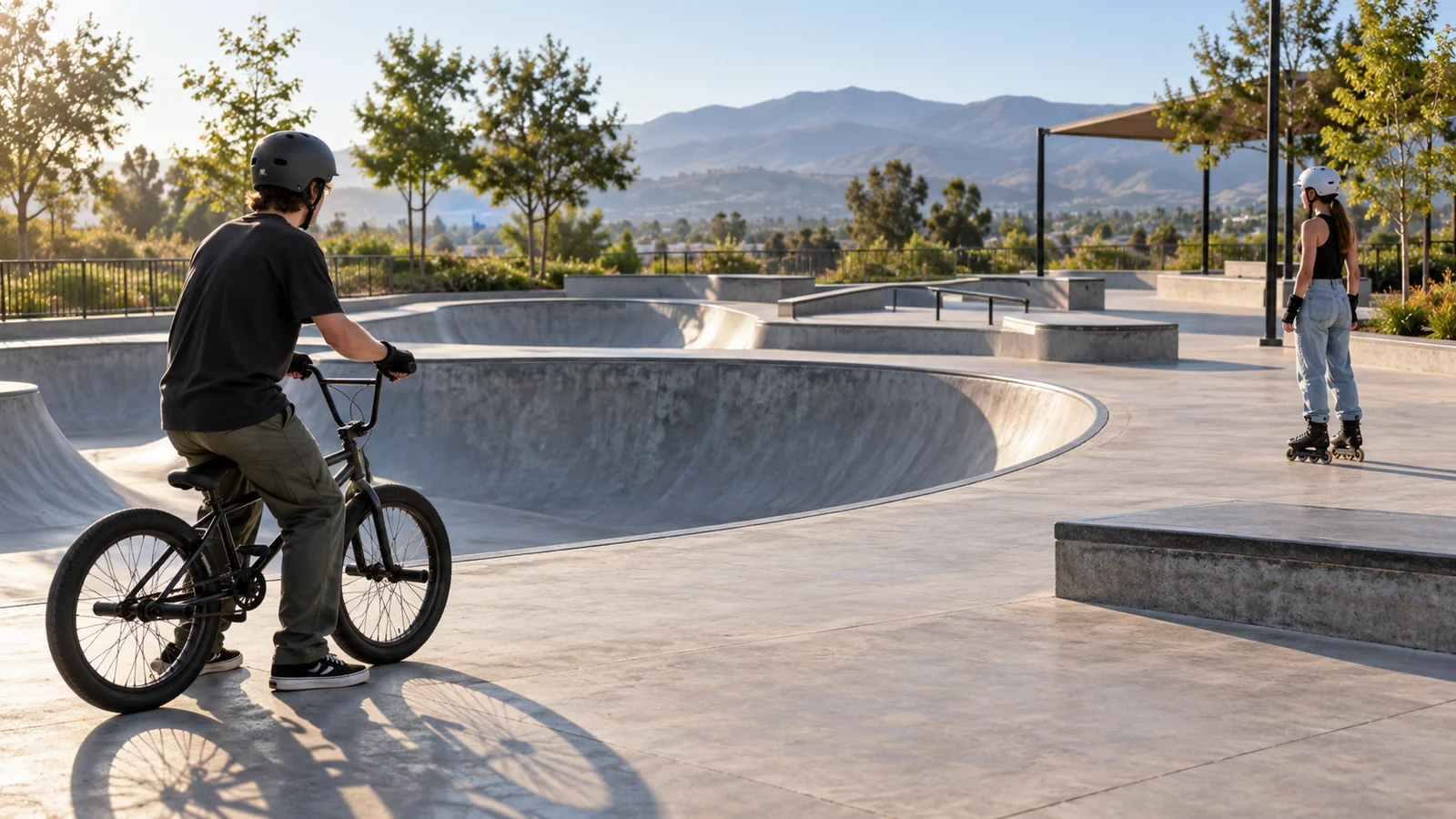
Skatepark Etiquette: Taking Turns and Planning Lines
Learn skatepark etiquette for queues, shared lines, blind bowls and filming. Use a practical session example to choose where to wait, ride and finish.